How To Read a Concrete Bid
Two concrete bids for the same drawings can differ by a third, and the lower one is not always the better deal. What matters is what each includes.
Scope
The bid should list what is in and out: excavation, base, forms, steel, concrete, placing, finishing, joints, curing, testing and cleanup. Missing items show up later as change orders.
Quantities
Good bids show quantities, such as cubic yards, square feet of formwork and tons of steel, so you can compare line by line instead of a lump sum.
Assumptions
Look for the assumed concrete strength, the finish, the number of mobilizations, access, pump use and who pays for testing. Each affects the price.
Schedule and weather
A bid should say when work starts, how long it takes and what happens if weather or access slows it. Winter work needs a protection allowance.
Questions to ask
Ask what is not included, who coordinates inspections, how change orders are priced and how the crew will handle a low cylinder break.
- What strength and finish are you assuming?
- Is the pump, the testing and the joint sawing included?
- How do you protect the slab in bad weather?
- Who is the foreman on site, and how many crews will be on the job?
Use the Pour Planner
Services that go with this
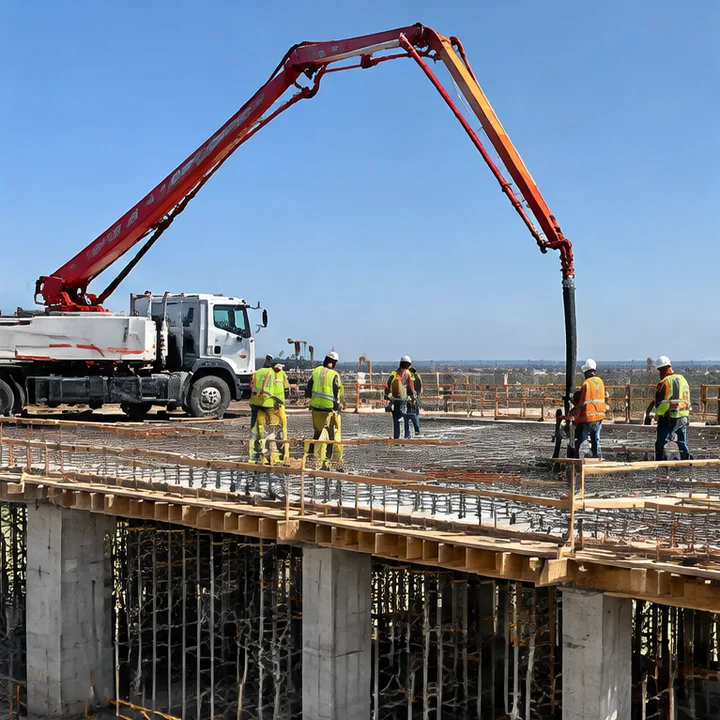 Cutting, Demolition and SpecialtyConcrete Pumping and PlacementConcrete delivered exactly where you need it
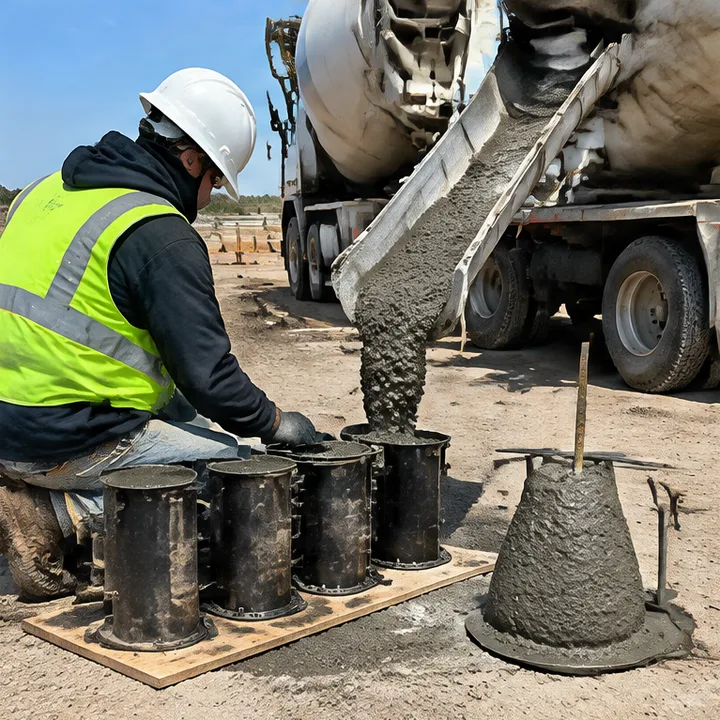 Cutting, Demolition and SpecialtyConcrete Testing and InspectionProof that the concrete in the form is what you ordered
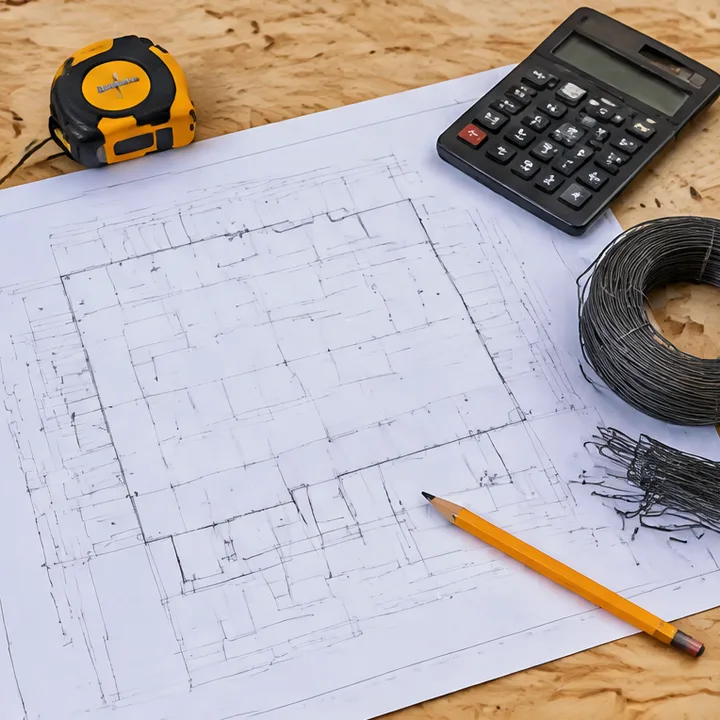
 Cutting, Demolition and SpecialtyEstimating and Value EngineeringAccurate numbers and smarter options before the first pour
No service matches that search. Try a shorter word.
Questions about your project?
Tell us about the project: the city, the kind of concrete work and when you need it. You get a plain written bid, and a person answers the phone at (800) 290-5816.