Slab on Grade for commercial projects
A slab on grade is the ground-level floor, poured over a prepared base and finished to a flatness the building's use demands. We control the subgrade, vapor barrier, reinforcement, joints and curing, because that is where slabs succeed or fail.
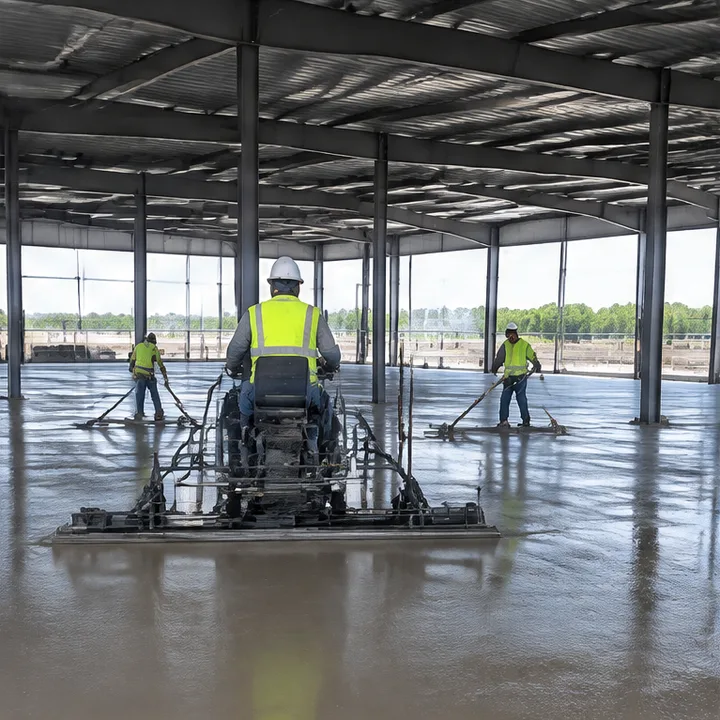
Typical slab on Grade jobs
- Retail, office and warehouse floors
- Thickened-edge and turned-down slabs for light commercial buildings
- Slabs for mezzanine, rack and equipment loads
- Dock-high and recessed slabs with embedded steel
The numbers
- Thickness5 to 6 in typical, 7 to 8 in for heavy loads
- Mix4,000 psi, water-cement ratio 0.45 or lower
- Vapor retarder10 to 15 mil under the slab where moisture matters
The slab on Grade process, step by step
- 1
Compacted base and fine grading to tolerance, vapor retarder placed
- 2
Rebar, welded wire or fibers set on chairs, joints laid out on a plan
- 3
Placed, screeded, bull-floated and troweled to the specified flatness
- 4
Joints sawn in the first hours and the slab cured and protected
Slab on Grade in your city
Pick your city for the frost depth, ground and pour season that shape the work there.
Or browse every city
Nashville and Davidson County
Williamson and Maury Counties
Rutherford, Wilson and Sumner Counties
Middle and East Tennessee
The Southeast
Northeast and Mid-Atlantic
The Midwest
Texas and Oklahoma
Often ordered with this
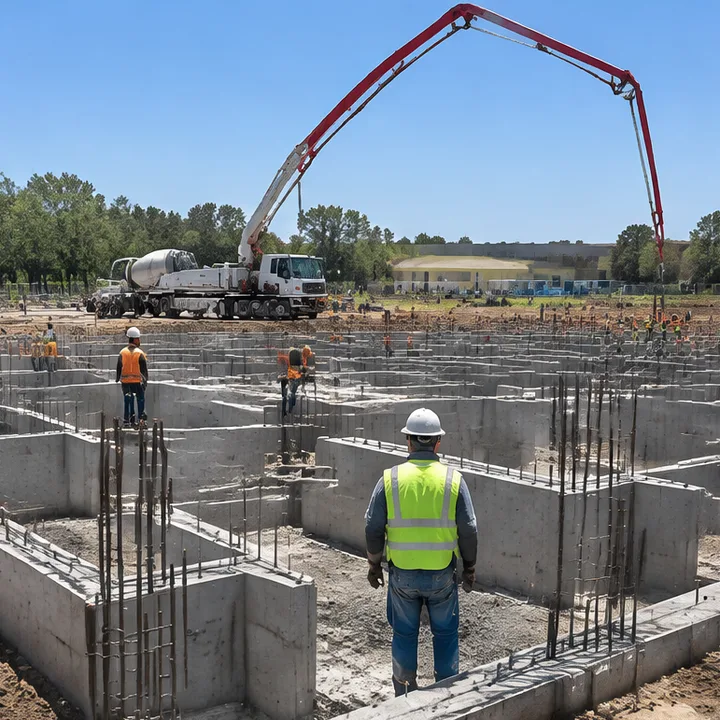 Structure and FoundationsFoundation Walls and FootingsFootings and walls that carry the whole building
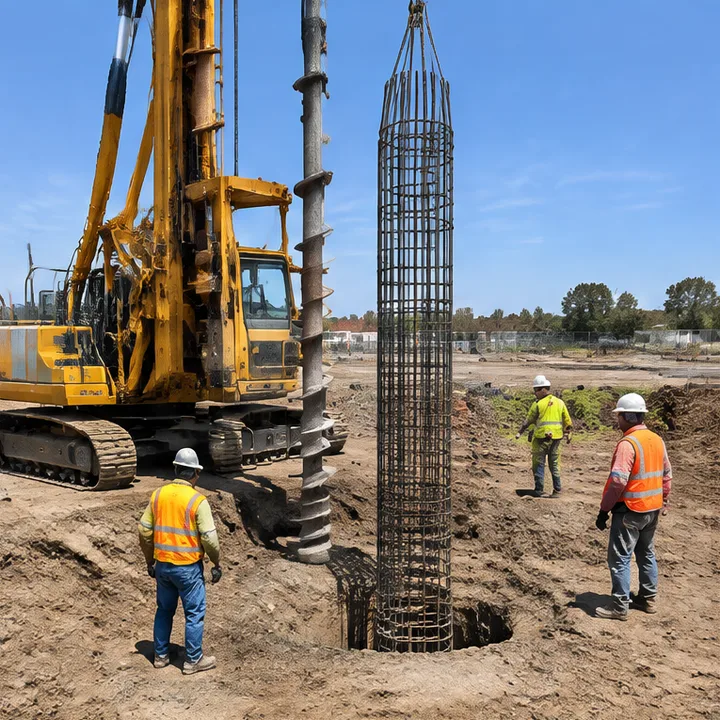 Structure and FoundationsDrilled Piers and CaissonsDeep shafts that carry loads to rock or firm soil
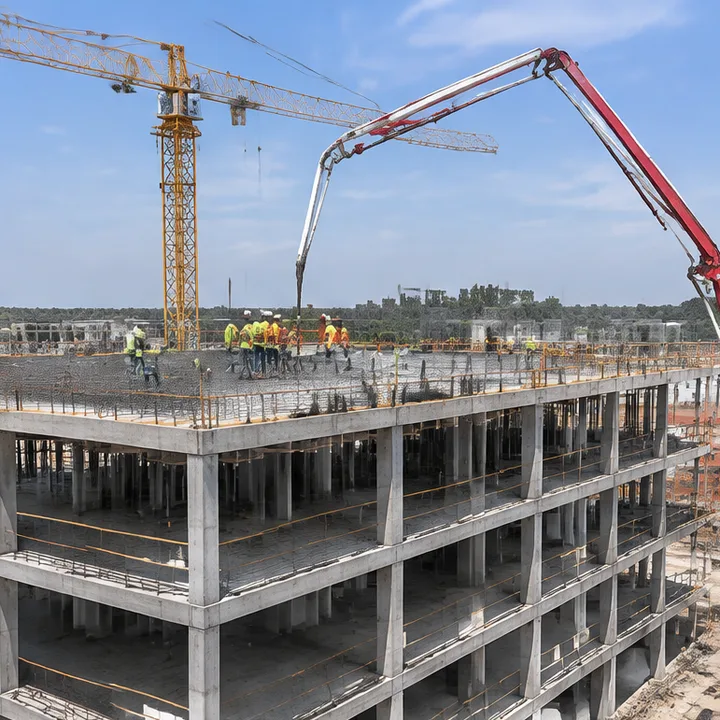 Structure and FoundationsElevated Slabs and DecksStructural floors poured above ground
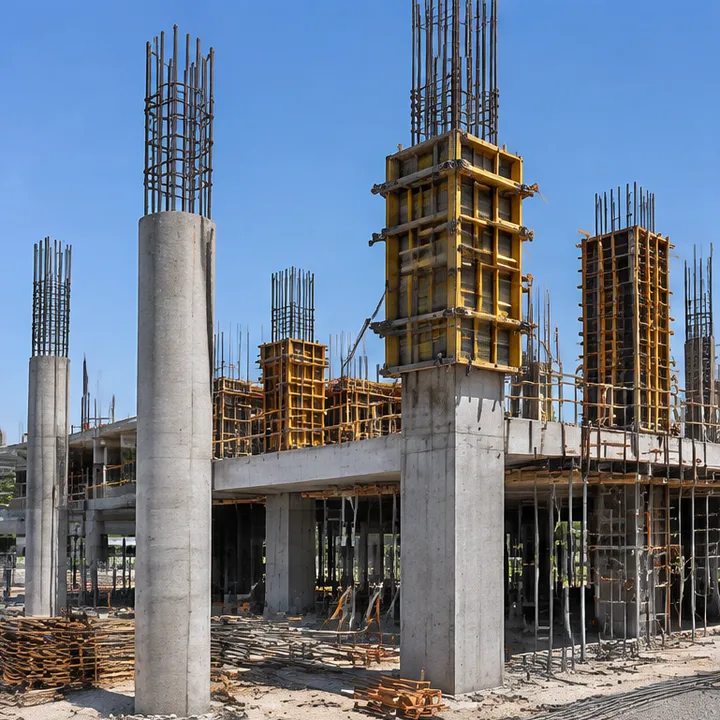 Structure and FoundationsConcrete Columns and BeamsCast-in-place frames that stand up to the load
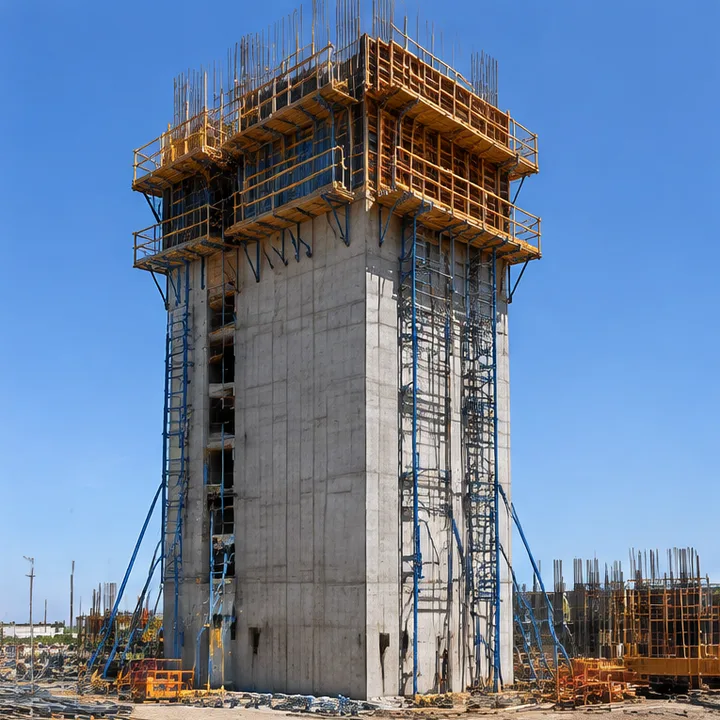 Structure and FoundationsShear Walls and Core WallsWalls that brace tall buildings against wind and quakes
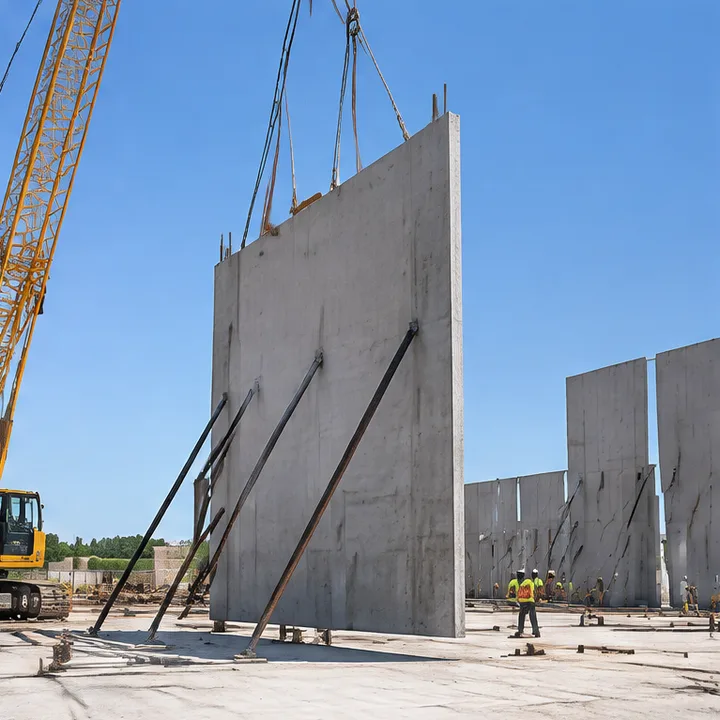 Structure and FoundationsTilt-Up Concrete WallsWall panels cast flat and lifted into place
No service matches that search. Try a shorter word.
Slab on Grade: straight answers
How thick should a commercial slab be?
Five or six inches carries most retail and office floors, and seven to eight inches is common where forklifts, racks or trucks add load. The design depends on the load and the subgrade.
Why do slabs curl and crack?
Concrete shrinks as it dries and the top dries faster than the bottom. Good joints, a stiff mix, proper curing and an even base keep curling and random cracks small.
Who designs the structural concrete?
The project's structural engineer designs the sizes, steel and strength. We build to those drawings, and we point out buildability issues early so changes are made on paper, not in the field.
Do you do slab on Grade in my city?
Most likely. Commercial Crete serves cities across the country, and every city has its own page. Use the map, pick your city below or call (800) 290-5816 and tell us where the project is.
Get a bid for slab on Grade
Tell us about the project: the city, the kind of concrete work and when you need it. You get a plain written bid, and a person answers the phone at (800) 290-5816.