Shear Walls and Core Walls for commercial projects
Shear walls and elevator or stair cores give a building its lateral strength. They are tall, heavily reinforced walls that are often poured in climbing forms, floor after floor.
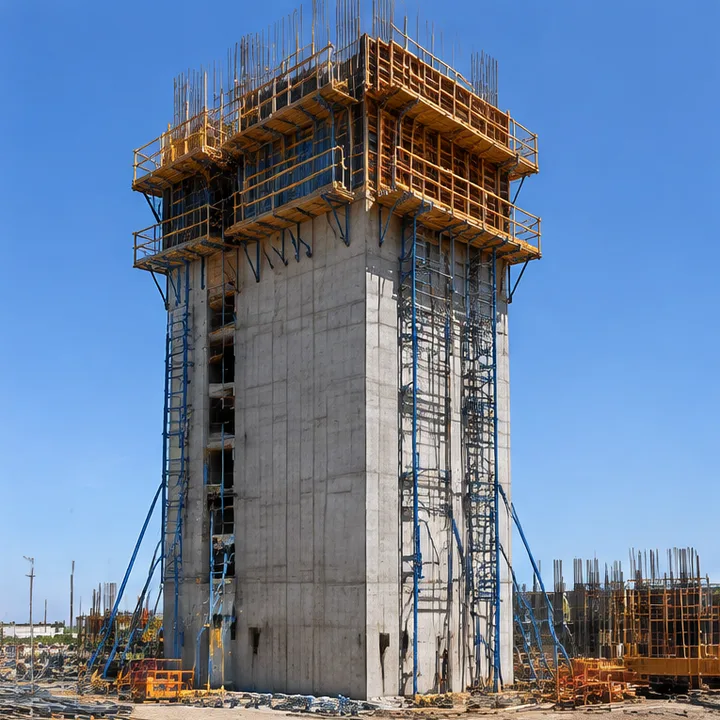
Typical shear Walls and Core Walls jobs
- Elevator and stair cores in mid-rise and high-rise buildings
- Shear walls in apartment, hotel and office structures
- Basement and parking-level walls that also resist soil pressure
- Tank, pit and containment walls
The numbers
- Typical mix5,000 to 6,000 psi, often self-consolidating
- Lift heightWalls placed in 2 to 4 ft lifts
- TolerancePlumb to about 1/4 in in 10 ft
The shear Walls and Core Walls process, step by step
- 1
Layout and wall rebar set with the boundary elements the design calls for
- 2
Forms or climbing systems set plumb and braced
- 3
Concrete placed in lifts with controlled slump and vibration
- 4
Forms struck, joints treated and the surface cured
Shear Walls and Core Walls in your city
Pick your city for the frost depth, ground and pour season that shape the work there.
Or browse every city
Nashville and Davidson County
Williamson and Maury Counties
Rutherford, Wilson and Sumner Counties
Middle and East Tennessee
The Southeast
Northeast and Mid-Atlantic
The Midwest
Texas and Oklahoma
Often ordered with this
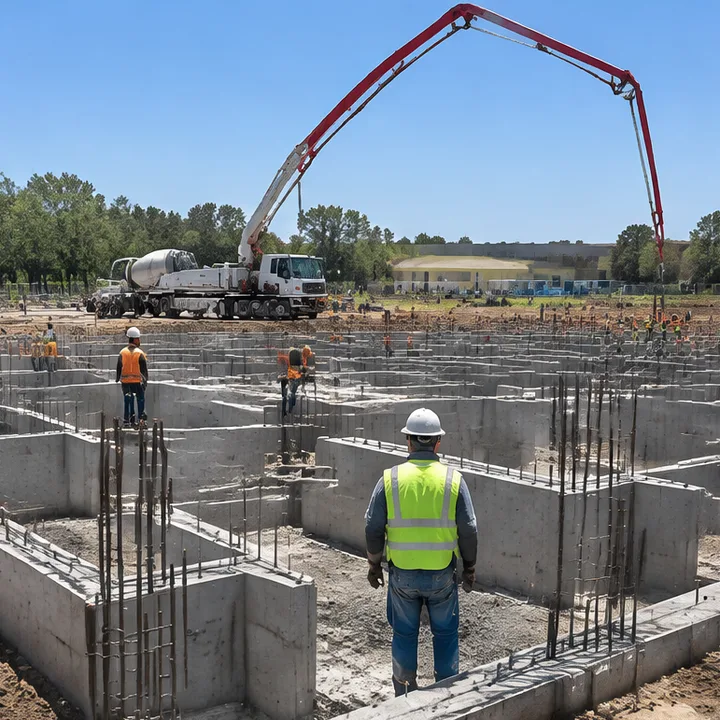 Structure and FoundationsFoundation Walls and FootingsFootings and walls that carry the whole building
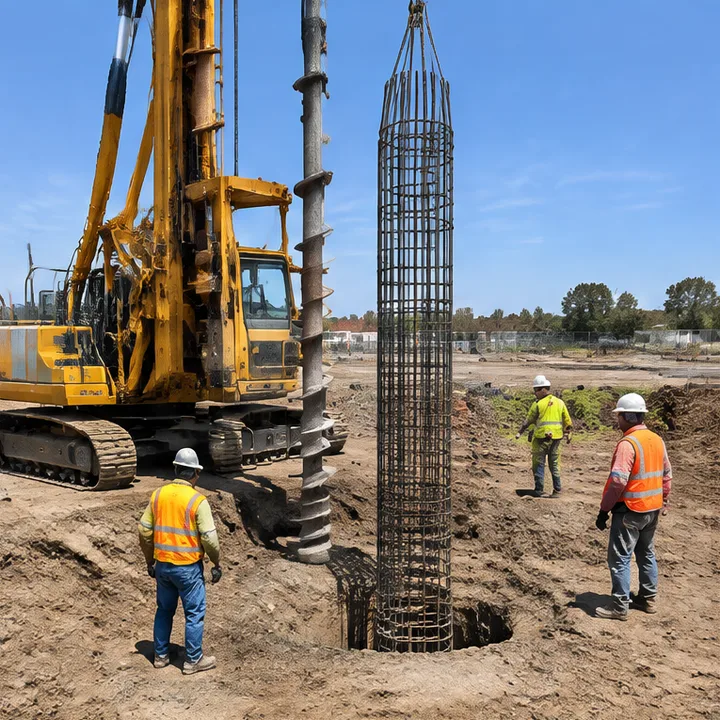 Structure and FoundationsDrilled Piers and CaissonsDeep shafts that carry loads to rock or firm soil
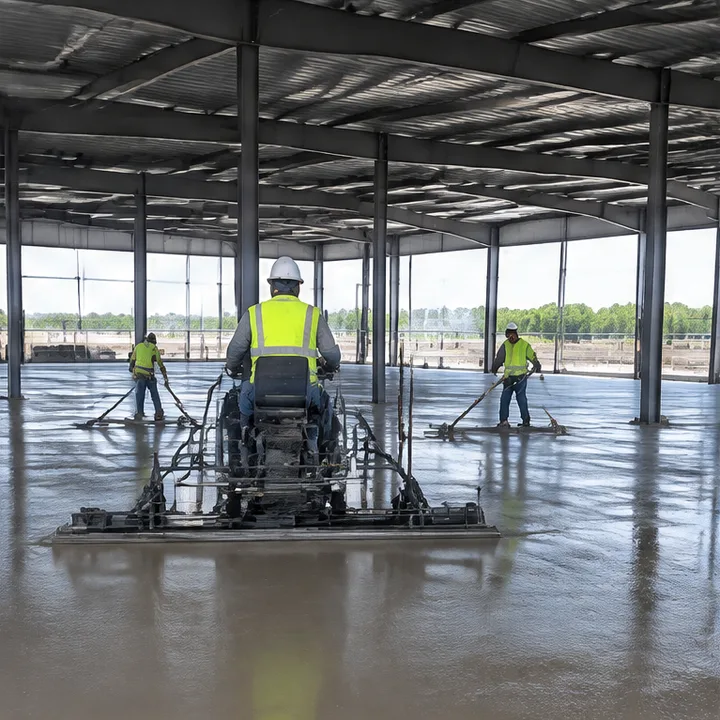 Structure and FoundationsSlab on GradeThe floor slab that everything else sits on
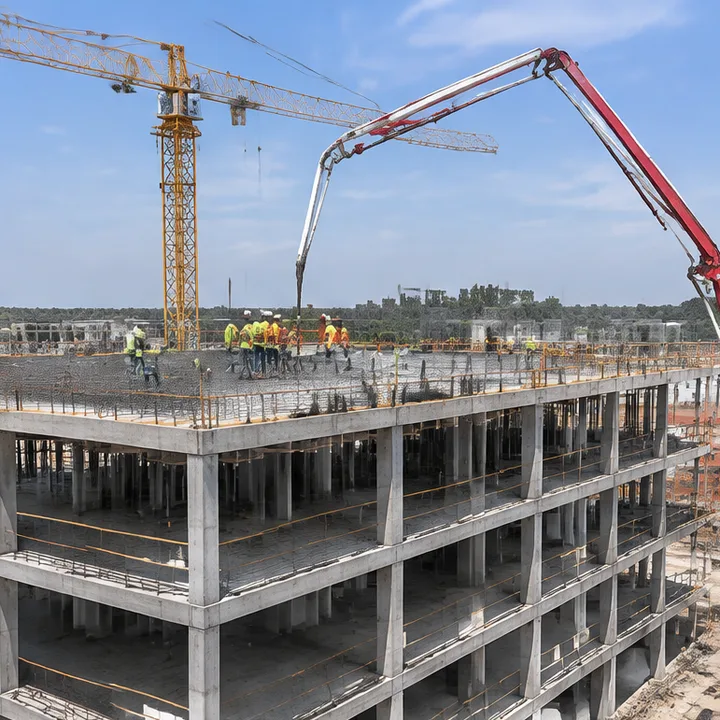 Structure and FoundationsElevated Slabs and DecksStructural floors poured above ground
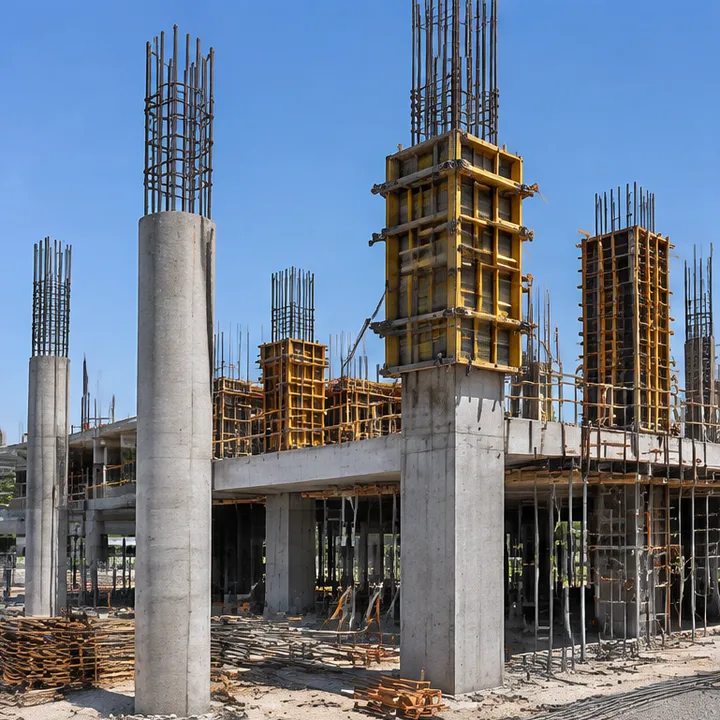 Structure and FoundationsConcrete Columns and BeamsCast-in-place frames that stand up to the load
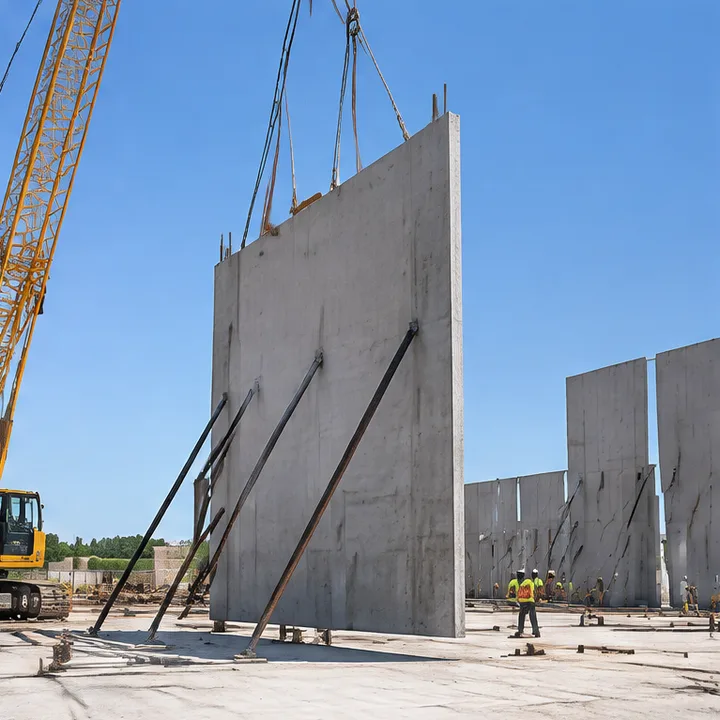 Structure and FoundationsTilt-Up Concrete WallsWall panels cast flat and lifted into place
No service matches that search. Try a shorter word.
Shear Walls and Core Walls: straight answers
What is a climbing form?
A form system that lifts itself up the wall as each level is poured, so the same forms are reused floor after floor without a crane for every move.
Why use self-consolidating concrete?
It flows into congested steel without much vibration, which gives a denser, cleaner wall in tight spaces.
How do you keep structural pours on schedule?
A written pour plan covers truck spacing, pump placement, crew size, testing and a backup for rain or a breakdown, and the plan is agreed with the general contractor before the day.
Do you do shear Walls and Core Walls in my city?
Most likely. Commercial Crete serves cities across the country, and every city has its own page. Use the map, pick your city below or call (800) 290-5816 and tell us where the project is.
Get a bid for shear Walls and Core Walls
Tell us about the project: the city, the kind of concrete work and when you need it. You get a plain written bid, and a person answers the phone at (800) 290-5816.