Warehouse and Industrial Floors for commercial projects
A warehouse floor takes forklifts, rack loads and abrasion every day. We build it flat, level and jointed so material handling equipment runs smoothly and the surface lasts.
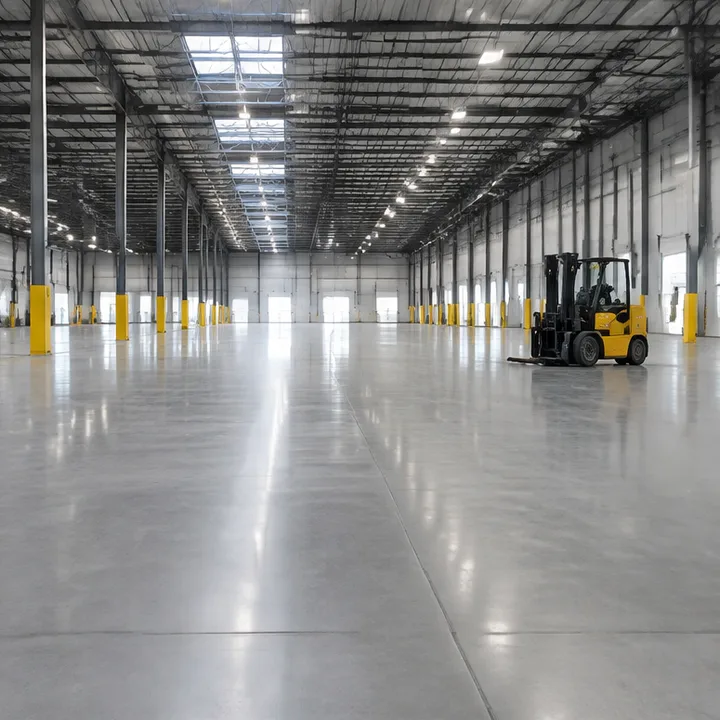
Typical warehouse and Industrial Floors jobs
- Warehouse, plant and fulfillment floors
- Rack-supported slabs with heavy point loads
- Very flat floors for narrow-aisle and robotic equipment
- Floors with embedded steel, trenches and pits
The numbers
- Thickness6 to 8 in, thicker under racks and heavy loads
- FlatnessSpecified as FF and FL numbers for the equipment
- Joint spacingCommonly 12 to 15 ft or larger with dowels
The warehouse and Industrial Floors process, step by step
- 1
Subgrade and base compacted, vapor retarder and slip sheet placed
- 2
Reinforcement, dowels and joint layout set to the plan
- 3
Concrete placed and laser-screeded, then floated and troweled
- 4
Joints sawn early, floor hardened or densified and cured
Warehouse and Industrial Floors in your city
Pick your city for the frost depth, ground and pour season that shape the work there.
Or browse every city
Nashville and Davidson County
Williamson and Maury Counties
Rutherford, Wilson and Sumner Counties
Middle and East Tennessee
The Southeast
Northeast and Mid-Atlantic
The Midwest
Texas and Oklahoma
Often ordered with this
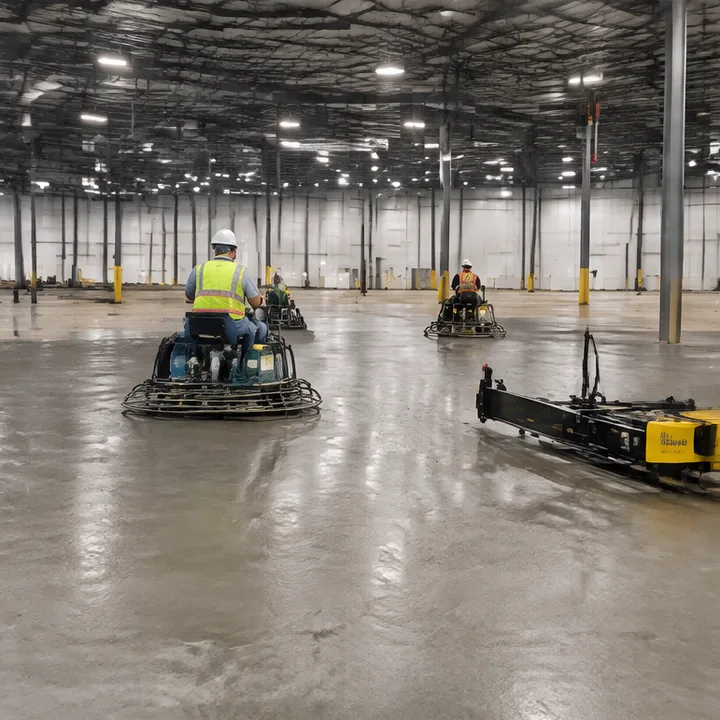 Floors, Docks and FlatworkDistribution Center FloorsGiant floors placed fast with laser screeds
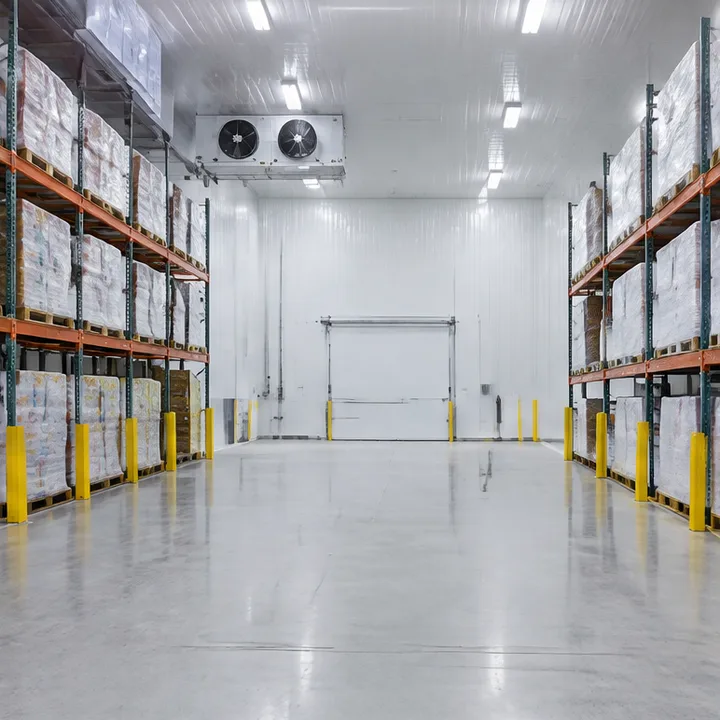 Floors, Docks and FlatworkCold Storage FloorsFloors that stay solid in freezers and coolers
 Floors, Docks and FlatworkPolished ConcreteA hard, glossy floor made from the slab itself
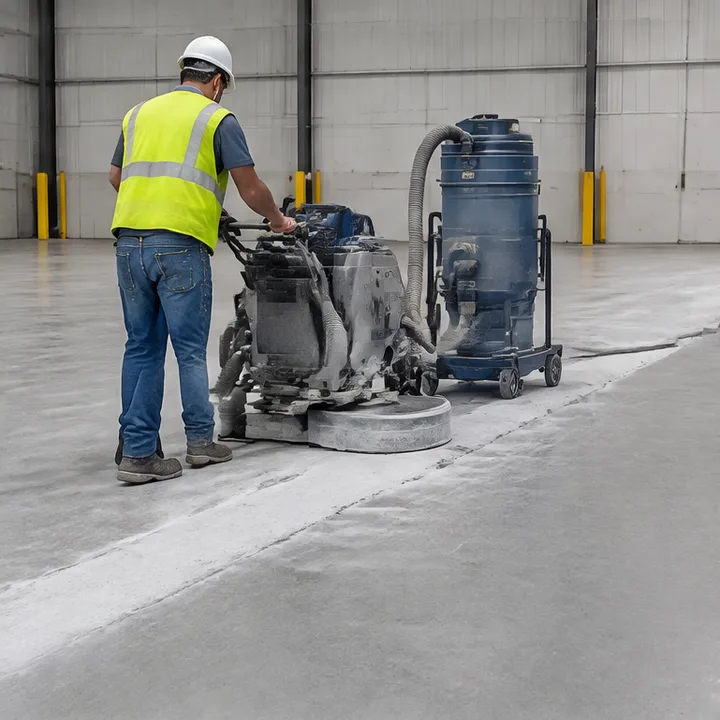 Floors, Docks and FlatworkFloor Grinding and LevelingFlat floors from ones that are not
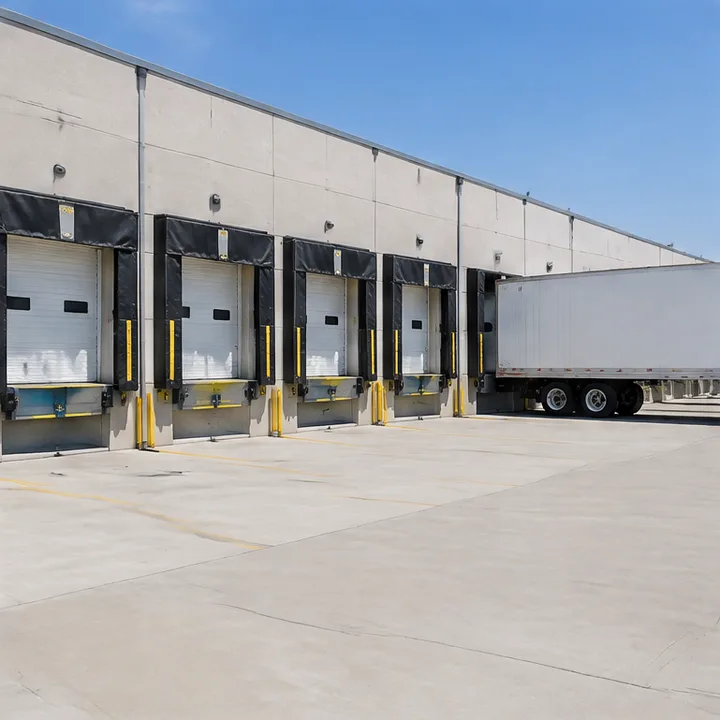 Floors, Docks and FlatworkLoading Docks and ApronsDock pads that take the beating of trucks and trailers
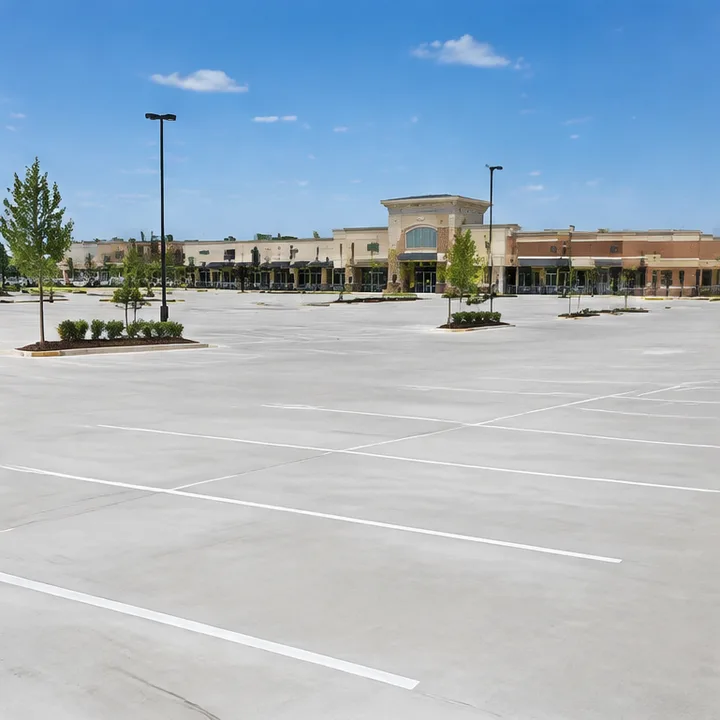 Floors, Docks and FlatworkConcrete Parking LotsLong-lasting lots that stay flat
No service matches that search. Try a shorter word.
Warehouse and Industrial Floors: straight answers
What does FF and FL mean?
They are numbers for floor flatness and levelness. Higher numbers mean flatter floors, and very narrow aisle forklifts and automated vehicles need the highest.
Can the floor be built without joints?
Large pours with steel fibers or post-tensioning cut the number of joints, but joints are still planned, because concrete shrinks and has to crack somewhere under control.
Why are there joints in my slab?
Concrete shrinks as it dries, so it cracks. Joints are planned lines where it can crack neatly, and sawing them early keeps cracks out of the middle of the panels.
Do you do warehouse and Industrial Floors in my city?
Most likely. Commercial Crete serves cities across the country, and every city has its own page. Use the map, pick your city below or call (800) 290-5816 and tell us where the project is.
Get a bid for warehouse and Industrial Floors
Tell us about the project: the city, the kind of concrete work and when you need it. You get a plain written bid, and a person answers the phone at (800) 290-5816.