Concrete Retaining Walls for commercial projects
Retaining walls hold soil where the grade changes, around loading docks, parking lots and buildings. Drainage behind the wall matters as much as the concrete, so we design the whole system.
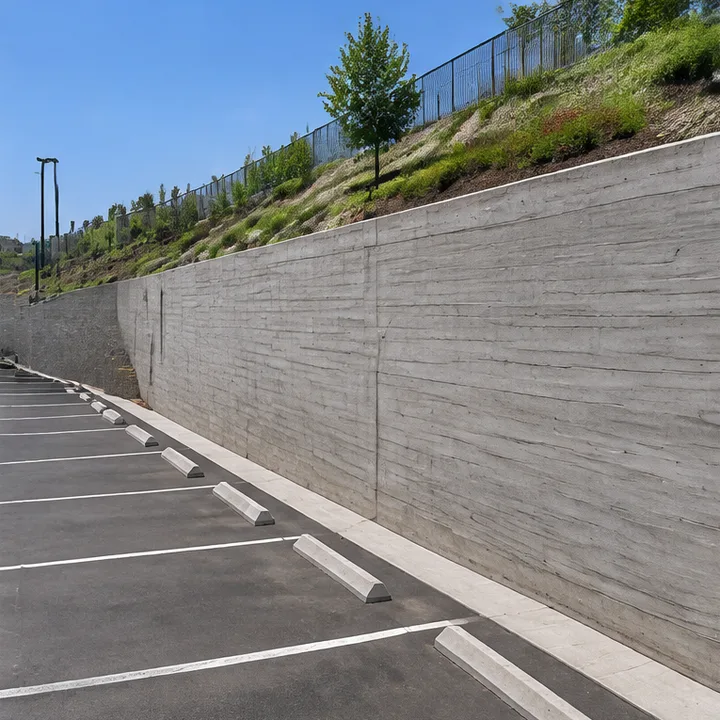
Typical concrete Retaining Walls jobs
- Cast-in-place walls for parking lots and building pads
- Loading dock and truck-ramp walls
- Board-formed and stamped architectural walls
- Segmental and precast block walls with concrete footings
The numbers
- FootingBelow frost, wide enough for overturning
- Backfill drainageFree-draining stone and a perforated pipe
- Mix4,000 psi, air-entrained where it freezes
The concrete Retaining Walls process, step by step
- 1
Excavation and a compacted, level footing at the engineered depth
- 2
Rebar, keyways and drains set, forms built and braced
- 3
Concrete placed in lifts, with weep holes or a drain pipe behind the wall
- 4
Waterproofing, backfill in layers and a final finish or sealer
Concrete Retaining Walls in your city
Pick your city for the frost depth, ground and pour season that shape the work there.
Or browse every city
Nashville and Davidson County
Williamson and Maury Counties
Rutherford, Wilson and Sumner Counties
Middle and East Tennessee
The Southeast
Northeast and Mid-Atlantic
The Midwest
Texas and Oklahoma
Often ordered with this
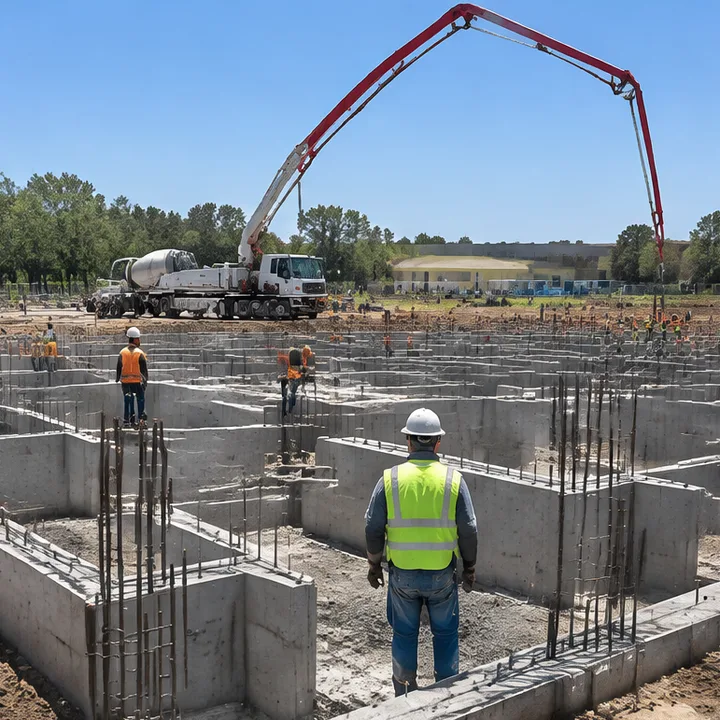 Structure and FoundationsFoundation Walls and FootingsFootings and walls that carry the whole building
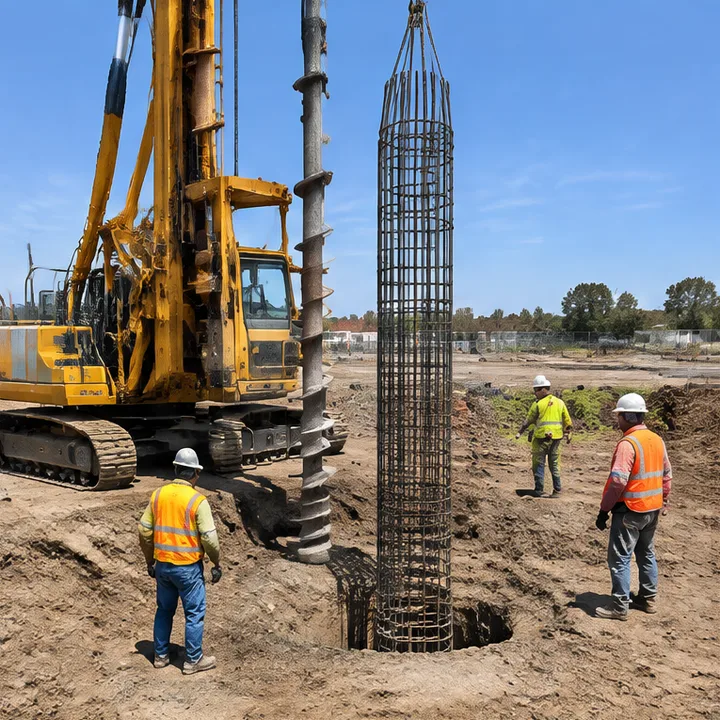 Structure and FoundationsDrilled Piers and CaissonsDeep shafts that carry loads to rock or firm soil
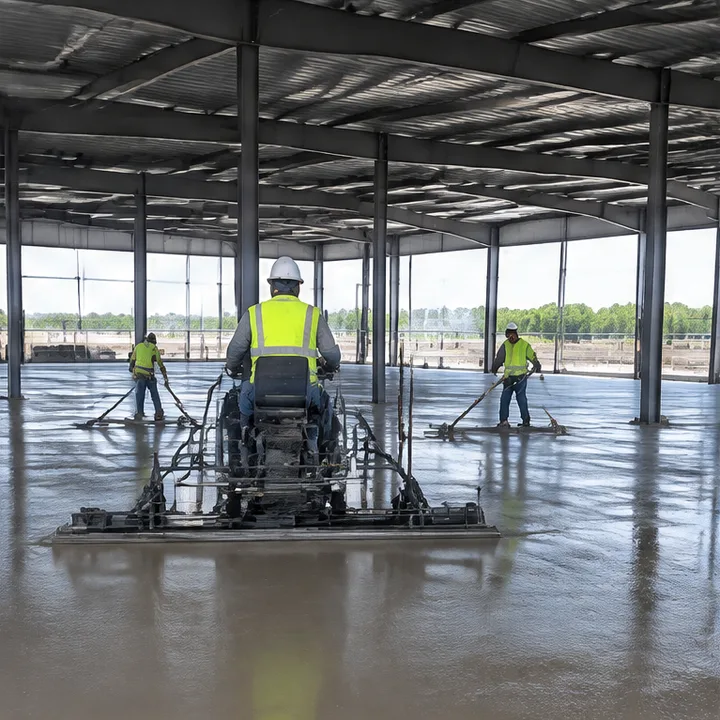 Structure and FoundationsSlab on GradeThe floor slab that everything else sits on
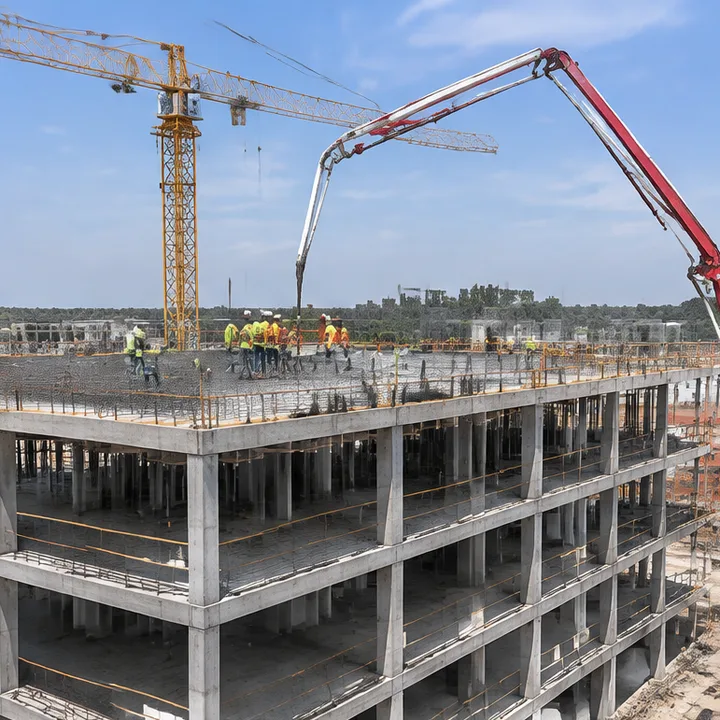 Structure and FoundationsElevated Slabs and DecksStructural floors poured above ground
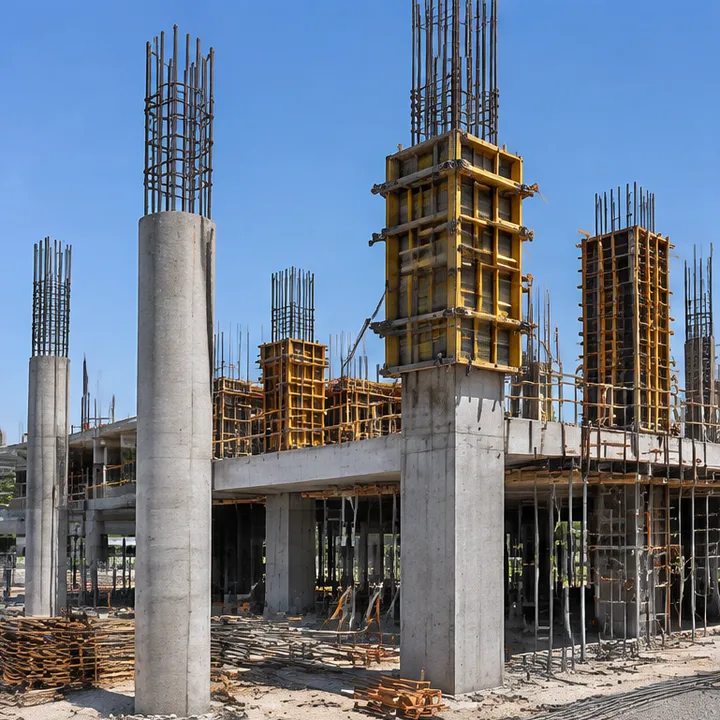 Structure and FoundationsConcrete Columns and BeamsCast-in-place frames that stand up to the load
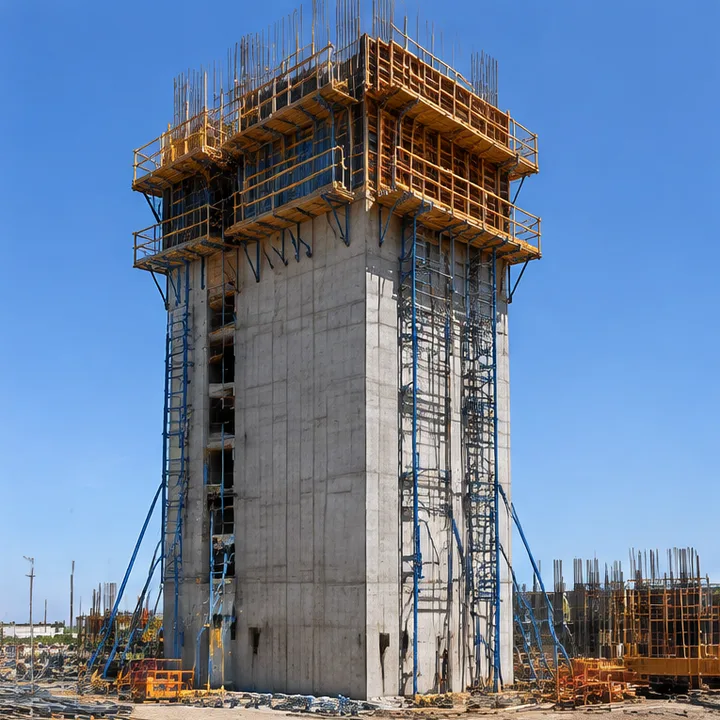 Structure and FoundationsShear Walls and Core WallsWalls that brace tall buildings against wind and quakes
No service matches that search. Try a shorter word.
Concrete Retaining Walls: straight answers
Why do retaining walls fail?
Mostly from water. Clay backfill without drainage builds pressure behind the wall until it leans or cracks, so a free-draining stone zone and outlet are essential.
Do tall walls need an engineer?
Yes. Walls over about four feet, or walls carrying traffic or a building, need an engineered design and often a permit.
Who designs the structural concrete?
The project's structural engineer designs the sizes, steel and strength. We build to those drawings, and we point out buildability issues early so changes are made on paper, not in the field.
Do you do concrete Retaining Walls in my city?
Most likely. Commercial Crete serves cities across the country, and every city has its own page. Use the map, pick your city below or call (800) 290-5816 and tell us where the project is.
Get a bid for concrete Retaining Walls
Tell us about the project: the city, the kind of concrete work and when you need it. You get a plain written bid, and a person answers the phone at (800) 290-5816.