Cold Weather Concrete for commercial projects
Cold slows concrete, and freezing early ruins it. A winter pour needs a warm mix, protection and heat so the concrete gains strength before it can freeze.
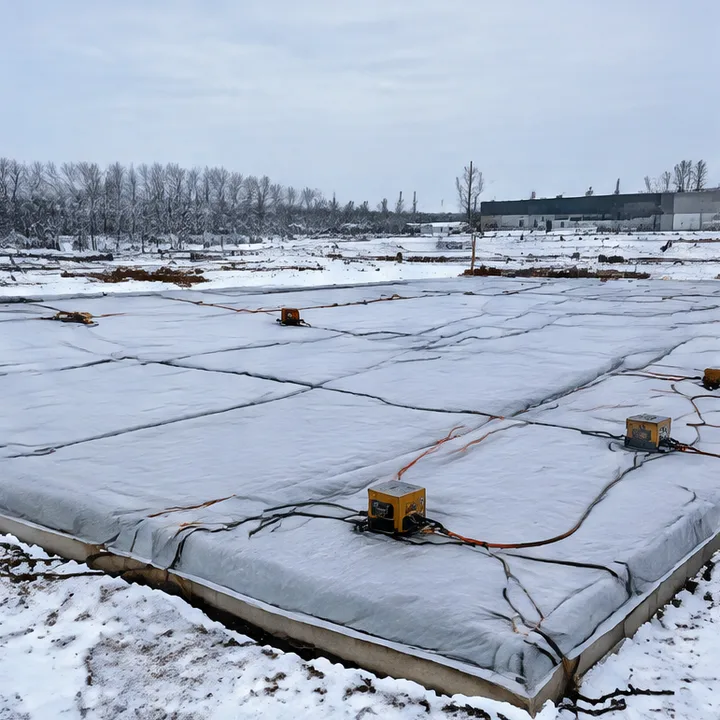
Typical cold Weather Concrete jobs
- Winter slabs, foundations and walls
- Heated enclosures and insulated blankets
- Heated mixes and accelerators
- Winter repairs that must open fast
The numbers
- Cold weatherAir below about 40 F for three days in a row
- Placement temperatureAt least 50 F for most work
- Freeze protectionKeep above 50 F until it reaches about 500 psi
The cold Weather Concrete process, step by step
- 1
Forecast checked and the base thawed and free of ice
- 2
Concrete ordered with hot water, accelerators and the right air content
- 3
Placed warm and covered at once with blankets or an enclosure
- 4
Heat and temperature probes keep the slab warm until it gains strength
Cold Weather Concrete in your city
Pick your city for the frost depth, ground and pour season that shape the work there.
Or browse every city
Nashville and Davidson County
Williamson and Maury Counties
Rutherford, Wilson and Sumner Counties
Middle and East Tennessee
The Southeast
Northeast and Mid-Atlantic
The Midwest
Texas and Oklahoma
Often ordered with this
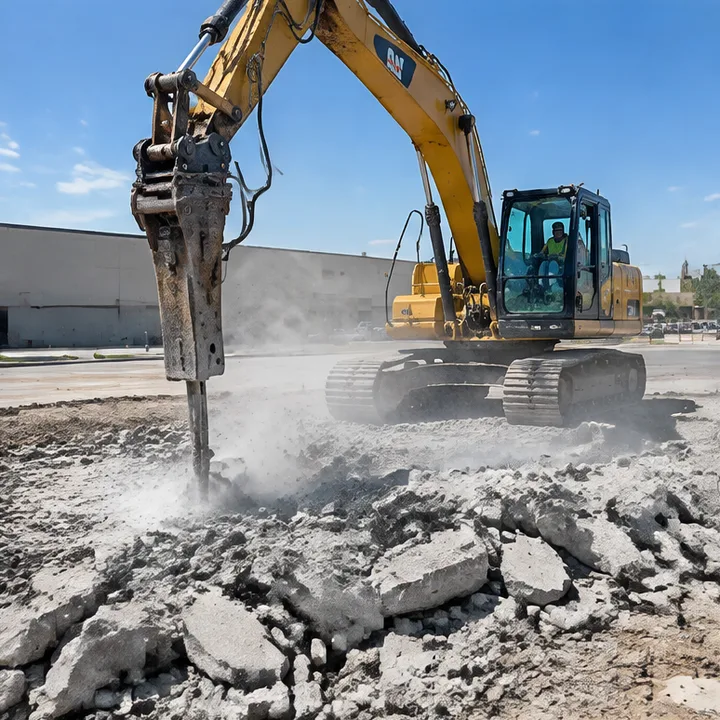 Cutting, Demolition and SpecialtyConcrete DemolitionOld concrete broken out, hauled off and recycled
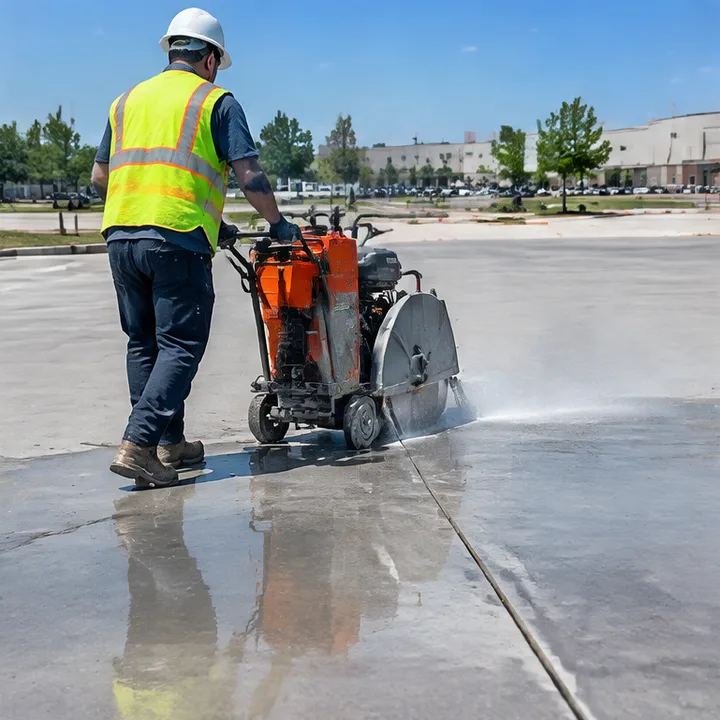 Cutting, Demolition and SpecialtyConcrete Sawing and CuttingClean straight cuts in slabs, walls and pavement
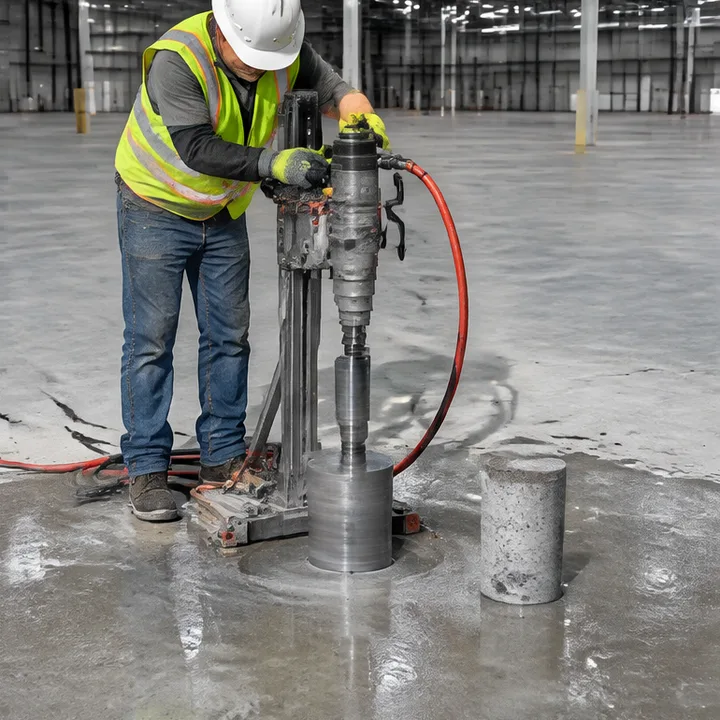 Cutting, Demolition and SpecialtyCore DrillingRound, clean holes through slabs and walls
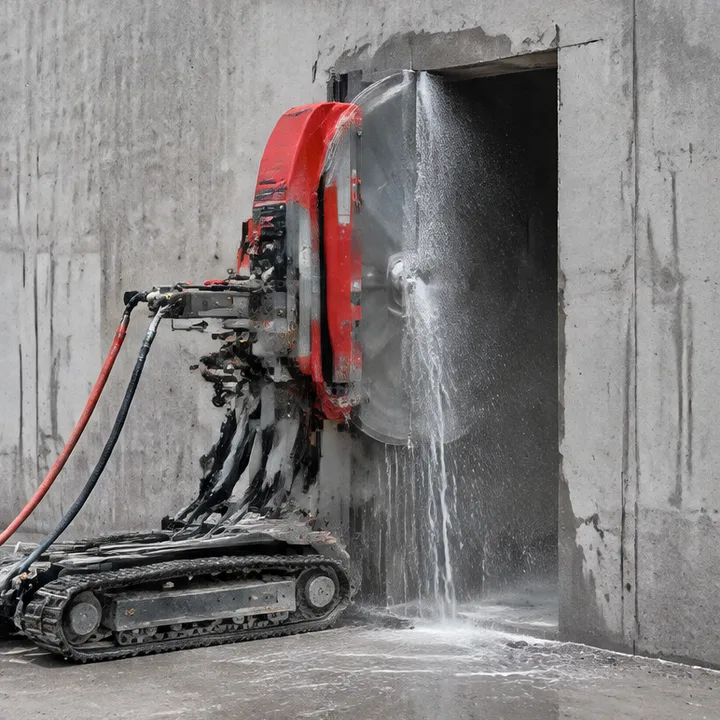 Cutting, Demolition and SpecialtyWall Sawing and Slab RemovalOpenings and slabs cut out in controlled pieces
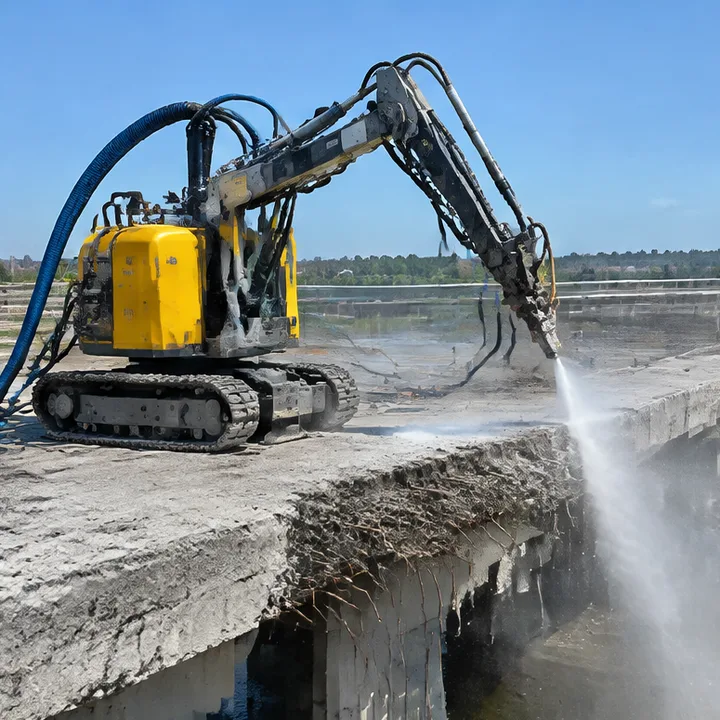 Cutting, Demolition and SpecialtyHydrodemolitionConcrete removed with water, steel left undamaged
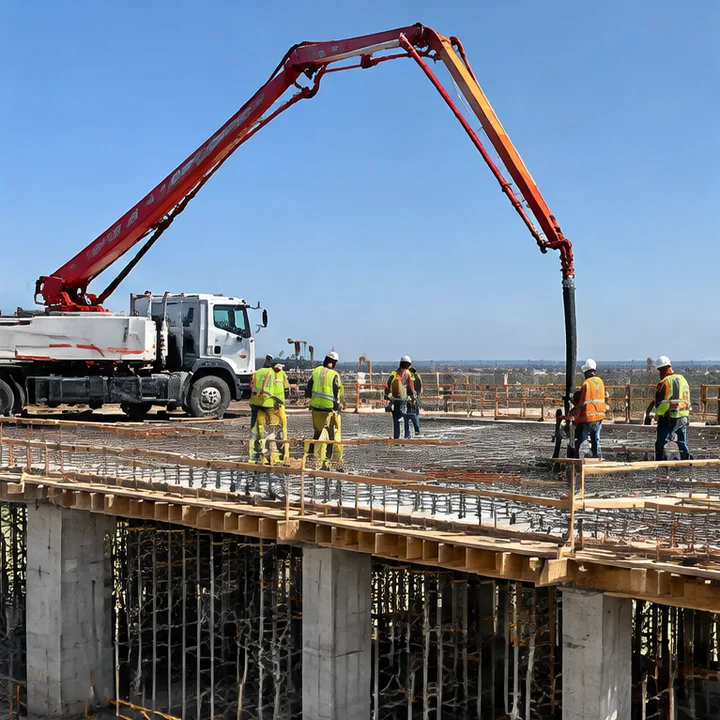 Cutting, Demolition and SpecialtyConcrete Pumping and PlacementConcrete delivered exactly where you need it
No service matches that search. Try a shorter word.
Cold Weather Concrete: straight answers
How cold is too cold to pour?
Concrete can be poured in the cold with protection. The rules are to place it warm, keep it from freezing until it reaches about 500 psi and keep it above freezing while it gains strength.
Can I use antifreeze or salt in concrete?
No. They do not protect strength and can corrode steel. Heat and insulation are the answer, plus accelerators approved for the job.
Is cutting and coring safe for the structure?
Yes, when it is planned. We scan for rebar, utilities and post-tension cables first and have the engineer review openings in structural members.
Do you do cold Weather Concrete in my city?
Most likely. Commercial Crete serves cities across the country, and every city has its own page. Use the map, pick your city below or call (800) 290-5816 and tell us where the project is.
Get a bid for cold Weather Concrete
Tell us about the project: the city, the kind of concrete work and when you need it. You get a plain written bid, and a person answers the phone at (800) 290-5816.