Joint Sealing and Filling for commercial projects
Joints in slabs open and close with temperature, and their edges break down under wheels. The right sealant or joint filler keeps water and debris out and the edges supported.
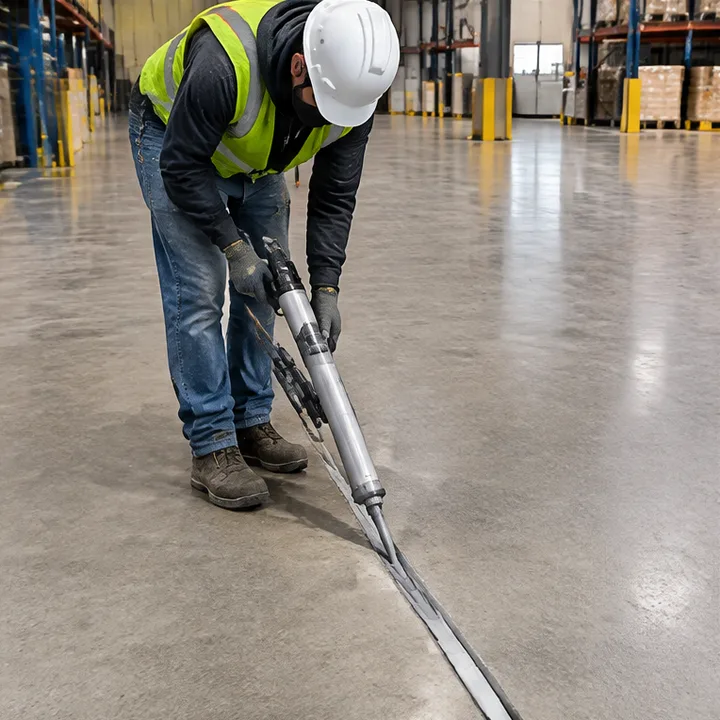
Typical joint Sealing and Filling jobs
- Semi-rigid joint filler in warehouse floors
- Flexible sealant in parking decks and plazas
- Expansion and isolation joints
- Joint re-cutting and resealing
The numbers
- SealantPolyurethane or silicone for moving joints
- FillerSemi-rigid epoxy or polyurea for floors with wheels
- Shape factorWidth about twice the depth
The joint Sealing and Filling process, step by step
- 1
Old material removed and the joint cleaned with a saw or grinder
- 2
Backer rod set to the right depth
- 3
Sealant or filler placed to the correct shape and depth
- 4
Tooled, cured and checked before traffic returns
Joint Sealing and Filling in your city
Pick your city for the frost depth, ground and pour season that shape the work there.
Or browse every city
Nashville and Davidson County
Williamson and Maury Counties
Rutherford, Wilson and Sumner Counties
Middle and East Tennessee
The Southeast
Northeast and Mid-Atlantic
The Midwest
Texas and Oklahoma
Often ordered with this
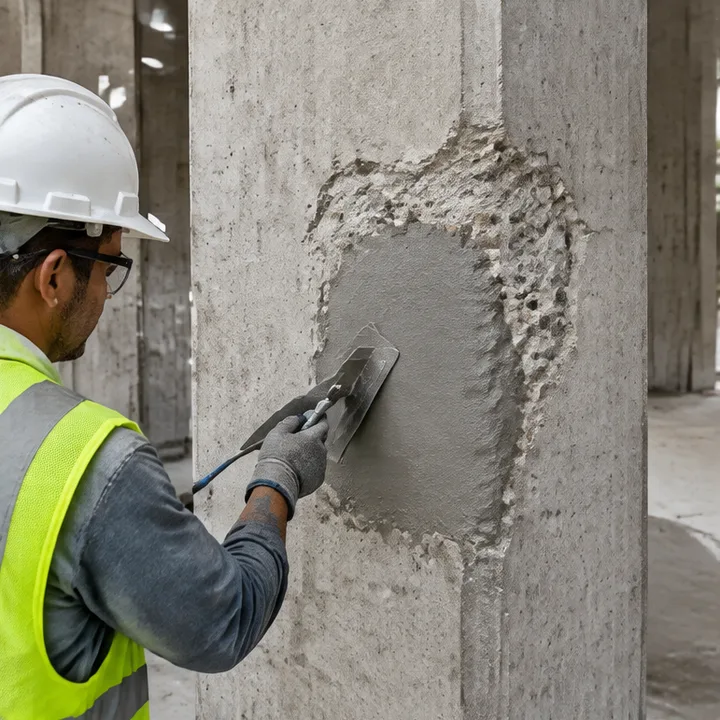 Repair, Coatings and RestorationConcrete RepairBad concrete cut out and rebuilt so it lasts
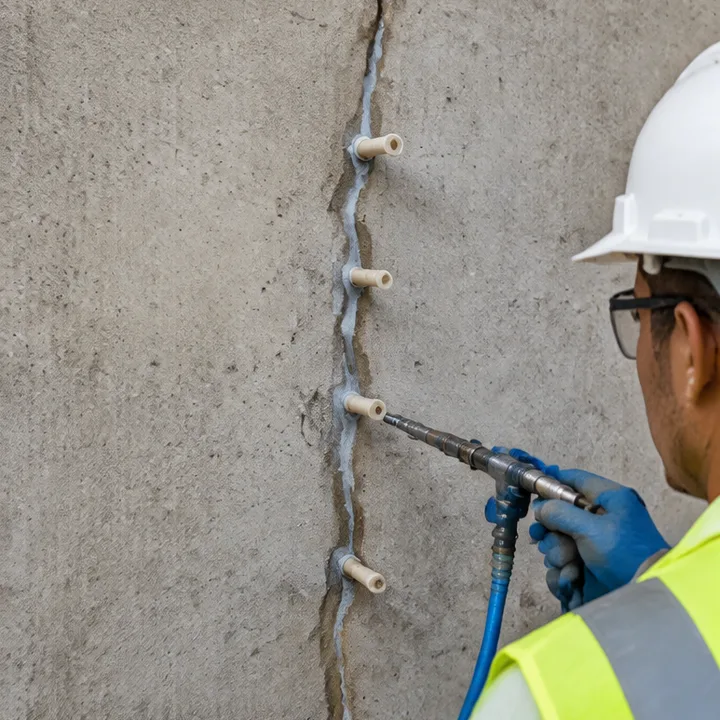 Repair, Coatings and RestorationCrack Repair and InjectionCracks sealed or bonded back together
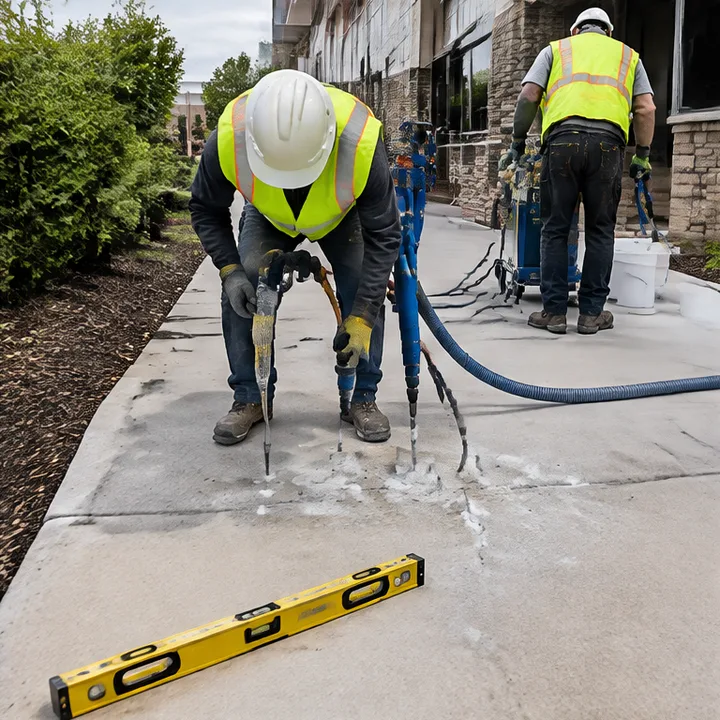 Repair, Coatings and RestorationSlab Lifting and LevelingSunken slabs raised back to level in hours
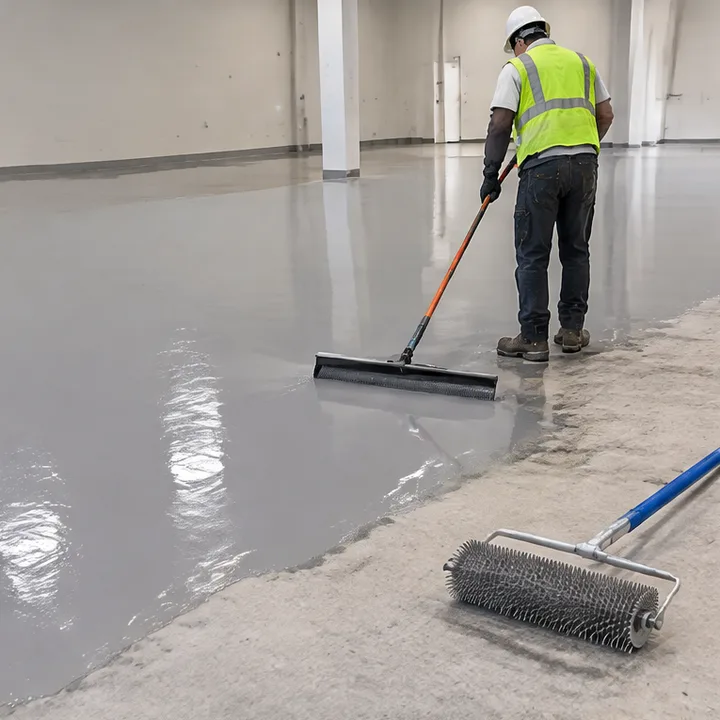 Repair, Coatings and RestorationConcrete ResurfacingA fresh surface for worn concrete
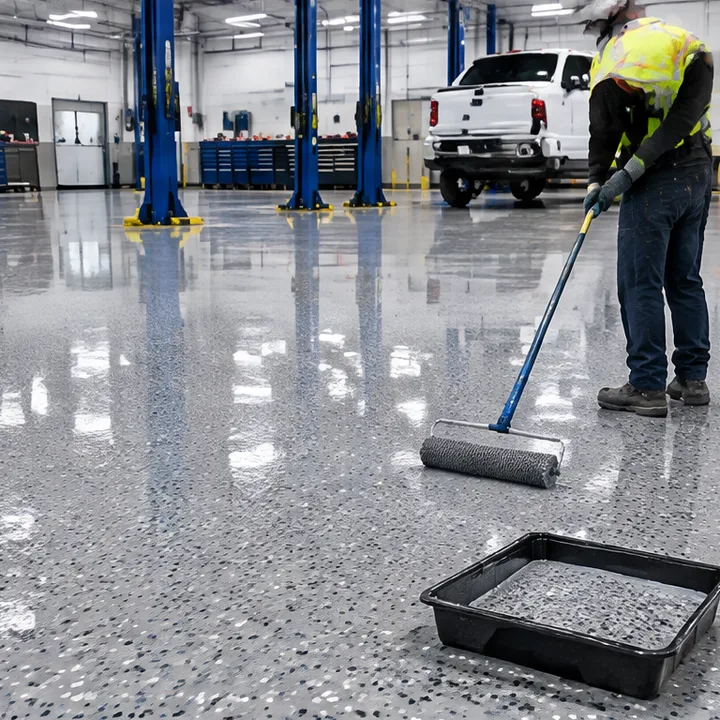 Repair, Coatings and RestorationEpoxy Floor CoatingsSeamless, easy-to-clean floors with bite
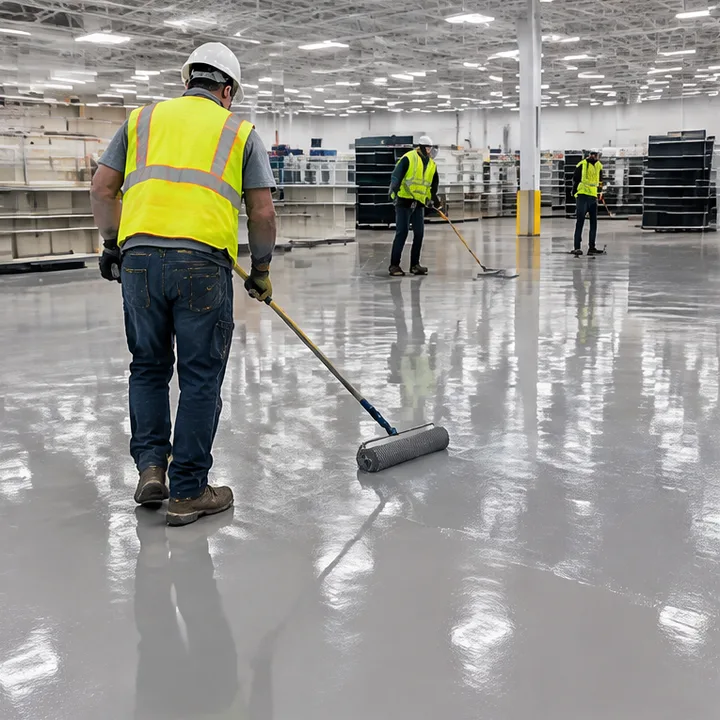 Repair, Coatings and RestorationPolyaspartic and Urethane CoatingsFast-curing, UV-stable coatings for busy floors
No service matches that search. Try a shorter word.
Joint Sealing and Filling: straight answers
Why fill joints in a warehouse floor?
Hard wheels hammer joint edges and break them. A semi-rigid filler supports the edges, so the joint lasts and forklifts ride smoothly.
How often do joints need work?
Sealants last about 5 to 10 years, depending on movement and traffic. Inspect them yearly and repair gaps early.
Should I repair or replace damaged concrete?
If the concrete is sound underneath, repair is faster and cheaper. If it is thin, heaved or cracked through, replacement is usually the better value. We tell you which, with the reasons.
Do you do joint Sealing and Filling in my city?
Most likely. Commercial Crete serves cities across the country, and every city has its own page. Use the map, pick your city below or call (800) 290-5816 and tell us where the project is.
Get a bid for joint Sealing and Filling
Tell us about the project: the city, the kind of concrete work and when you need it. You get a plain written bid, and a person answers the phone at (800) 290-5816.