Pouring Concrete in Cold Weather
Winter pours are routine when they are planned. The risks are early freezing, which ruins concrete, and slow strength gain, which slows the schedule.
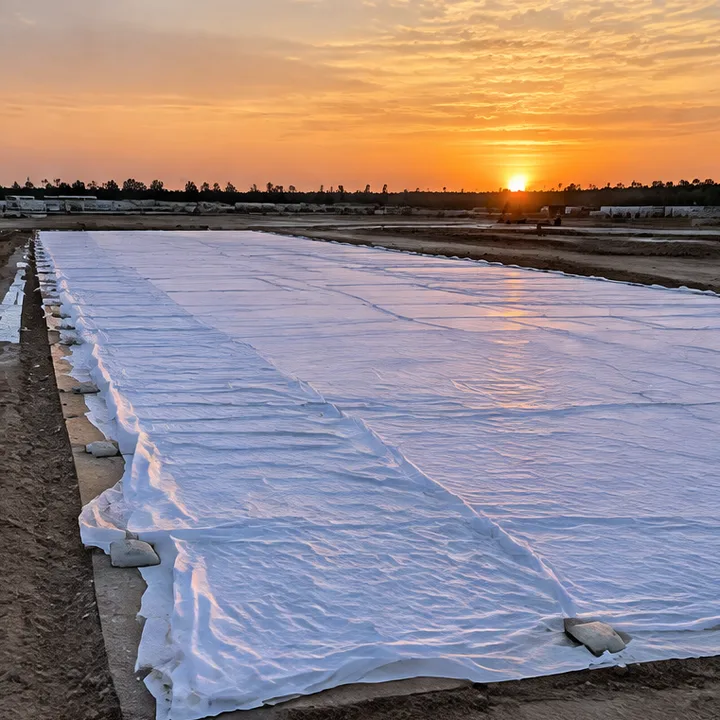
The two rules
Place the concrete warm, and do not let it freeze until it has reached about 500 psi. Concrete that freezes in the first day can lose a large share of its strength for good.
Before the pour
The base must be free of ice and snow, and forms and steel must be above freezing. Ordering heated water, an accelerator and the right air content for the cold is part of the plan, and so is a way to protect the surface the moment it is finished.
During and after
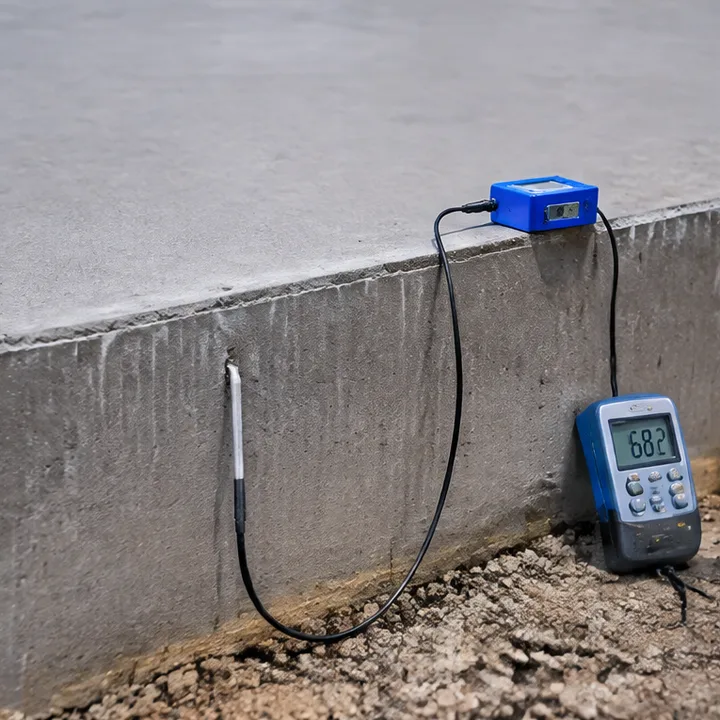
Concrete is placed at no less than about 50 degrees Fahrenheit and covered right away with insulated blankets, or an enclosure with heaters. Temperature probes in the slab show whether it is staying warm enough.
What not to do
Do not add salt or antifreeze. They do not protect the strength and they corrode steel. Do not use unvented fuel heaters inside enclosures, because carbon dioxide from them makes a soft, dusty surface.
Schedule honestly
Strength grows slowly in the cold. Use the Cure Clock to see how many days a slab at 40 degrees needs to reach the strength for stripping or traffic.
Use the Cure Clock
Services that go with this
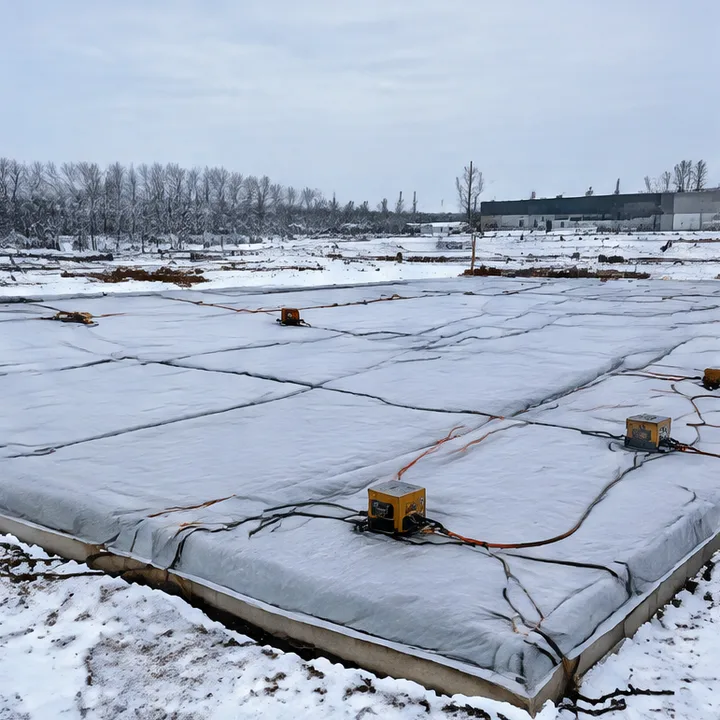 Cutting, Demolition and SpecialtyCold Weather ConcreteWinter pours that still reach full strength
 Cutting, Demolition and SpecialtyRapid-Set ConcreteRepairs and pours that can carry traffic in hours
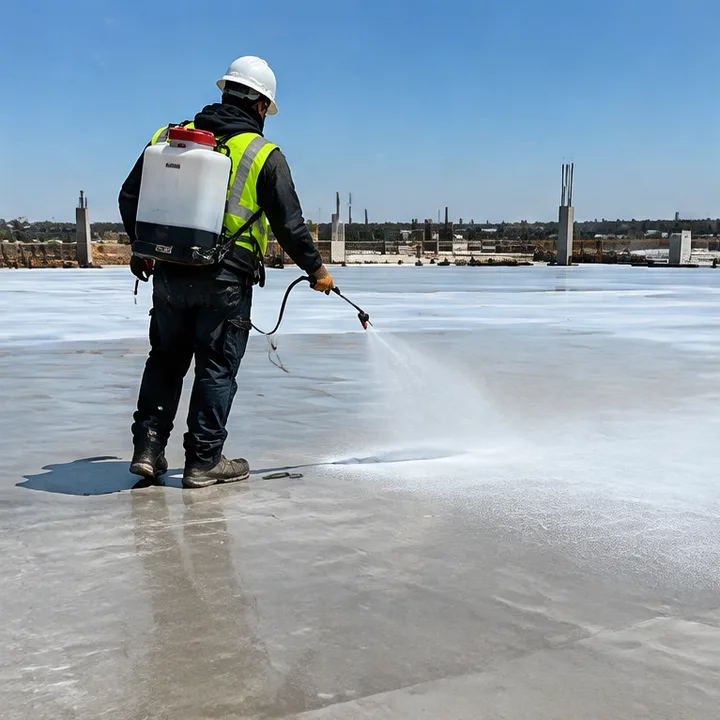 Cutting, Demolition and SpecialtyConcrete Curing and ProtectionThe step that decides how strong and durable the slab becomes
No service matches that search. Try a shorter word.
Questions about your project?
Tell us about the project: the city, the kind of concrete work and when you need it. You get a plain written bid, and a person answers the phone at (800) 290-5816.