Tilt-Up vs Precast vs Cast-in-Place
Concrete walls can be cast flat and lifted, made in a plant and trucked in, or formed and poured where they stand. Each has a place, and the right one depends on the building.
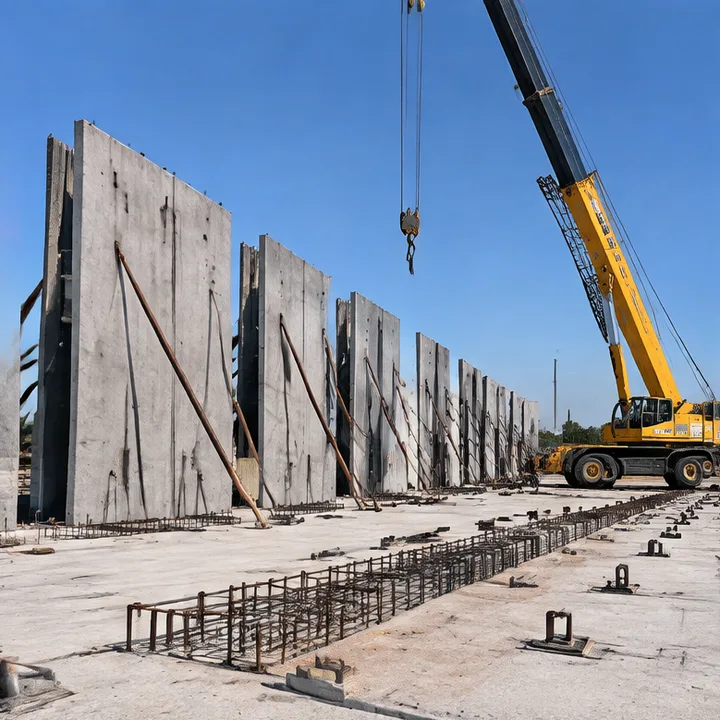
Tilt-up
Panels are cast flat on the floor slab and stood up with a crane. It is fast and economical for warehouses, big-box stores and low-rise offices, especially with repeating panels. Heights of 30 to 50 feet are common.
Precast
Pieces are cast in a plant under controlled conditions and delivered. Quality is consistent and erection is quick, which suits parking structures and buildings with a lot of repeated elements or a high-quality architectural finish.
Cast-in-place
Forms are built, steel is placed and concrete is poured where the wall will stand. It is the most flexible for unusual shapes, heights and tight sites, and the right choice for cores, basements and shear walls.
How to choose
Repetition favors tilt-up and precast. Complex shapes and tight sites favor cast-in-place. Schedule, crane access, local plants and the finish you want all enter the decision, and a short value-engineering study often settles it.
Use the Pour Planner
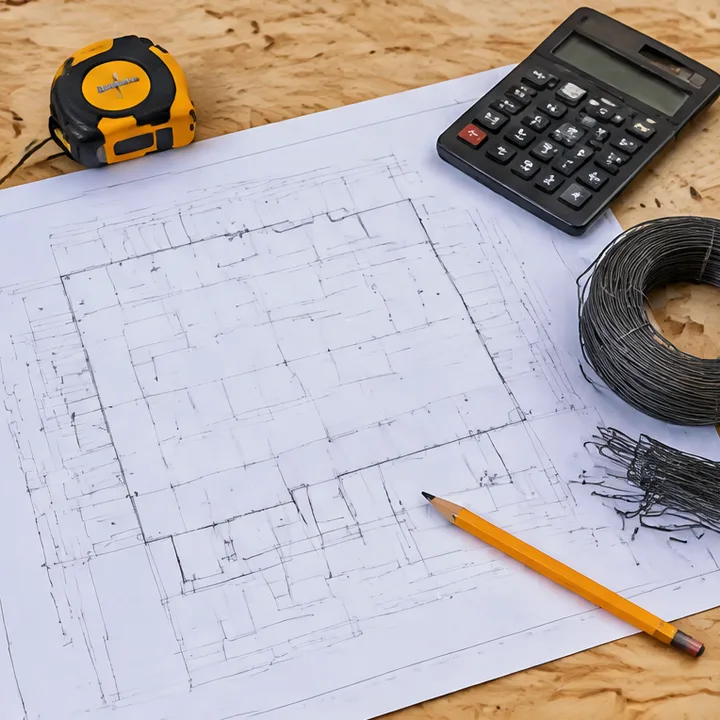
Services that go with this
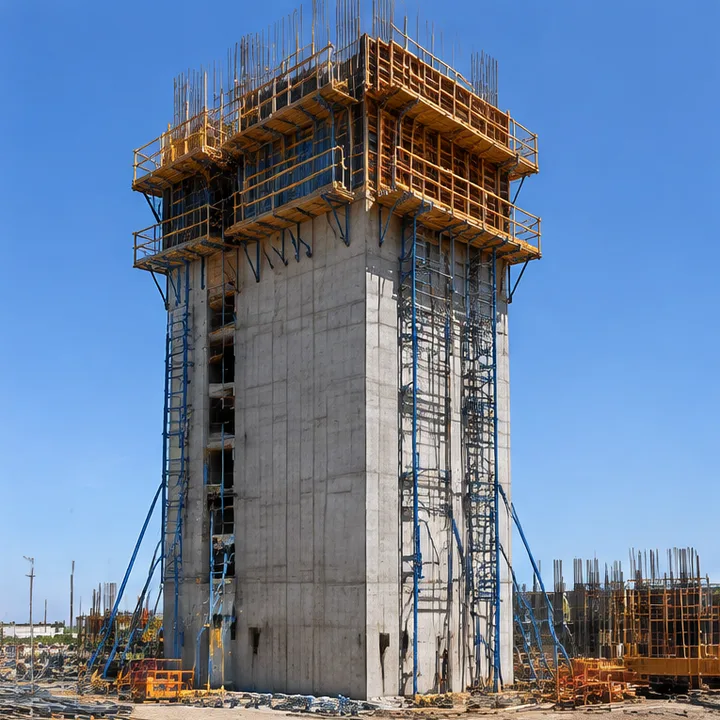 Structure and FoundationsShear Walls and Core WallsWalls that brace tall buildings against wind and quakes
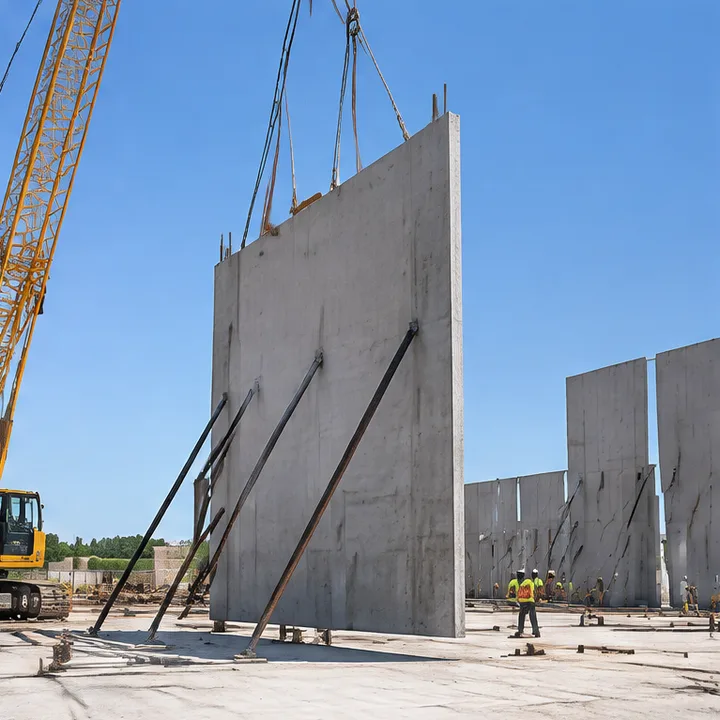 Structure and FoundationsTilt-Up Concrete WallsWall panels cast flat and lifted into place
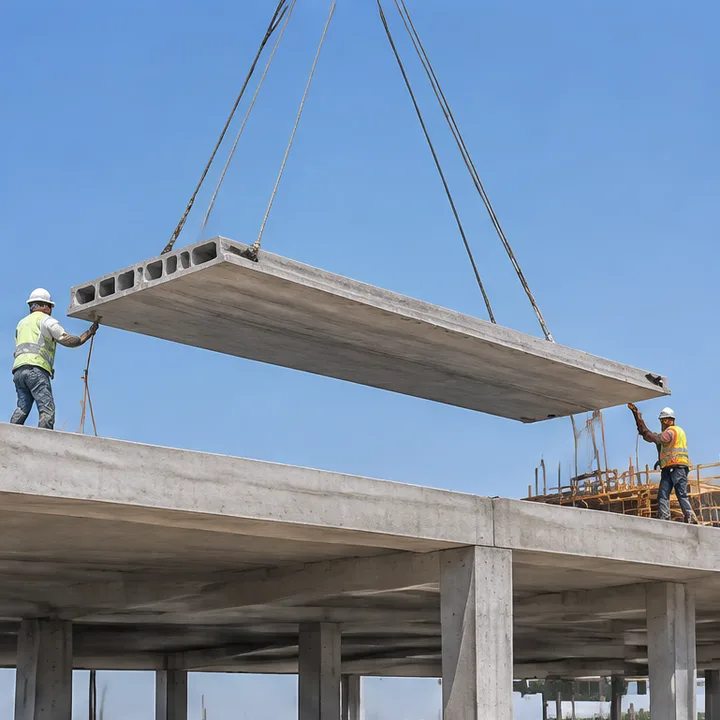 Structure and FoundationsPrecast Concrete ErectionFactory-made concrete set by crane on your schedule
No service matches that search. Try a shorter word.
Questions about your project?
Tell us about the project: the city, the kind of concrete work and when you need it. You get a plain written bid, and a person answers the phone at (800) 290-5816.