Why Concrete Cracks and What To Do About It
Almost all concrete cracks. The question is whether the crack is where you planned it, how wide it is and whether it is moving. That tells you whether to ignore it, seal it or call an engineer.
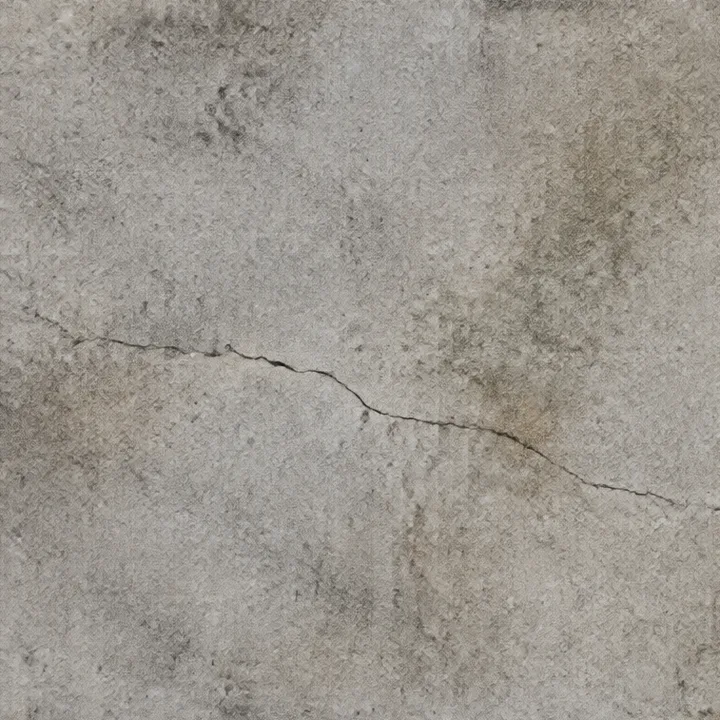
Shrinkage is normal
Concrete mixed with more water than the cement needs shrinks as the extra water leaves. A restrained slab cannot shrink freely, so it cracks. Joints exist to give the crack a planned place to form.
The common causes
Cracks come from a short list of causes, and the pattern usually points to the cause.
- Plastic shrinkage cracks, short and parallel, from hot, windy, dry pours
- Drying shrinkage cracks, random and fine, from too much water or late joints
- Settlement cracks, wide and often stepped, from a weak or wet subgrade
- Curling cracks, near joints, from a surface that dried faster than the bottom
- Structural cracks, wide or growing, from overload or poor design
Which cracks matter
Hairline cracks under about a sixteenth of an inch are almost always cosmetic. Wider cracks, cracks that grow, cracks with rust stains or leaks, and any that show vertical or horizontal offset deserve a closer look.
Repair options
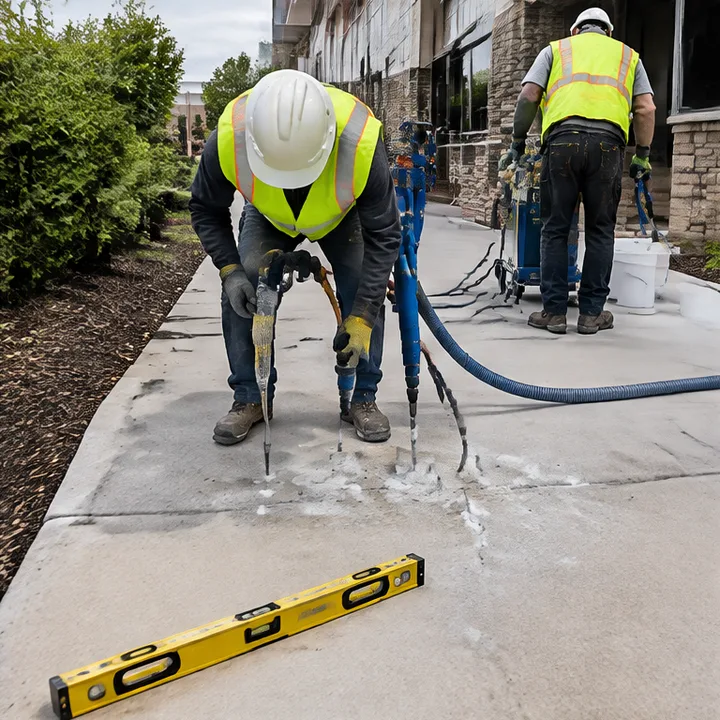
Stable, dry cracks can be bonded with epoxy injection. Leaking cracks are sealed with flexible polyurethane. Moving cracks are routed and sealed so they can keep moving, and settled slabs are lifted with foam or grout before the crack is treated.
How to prevent most cracks
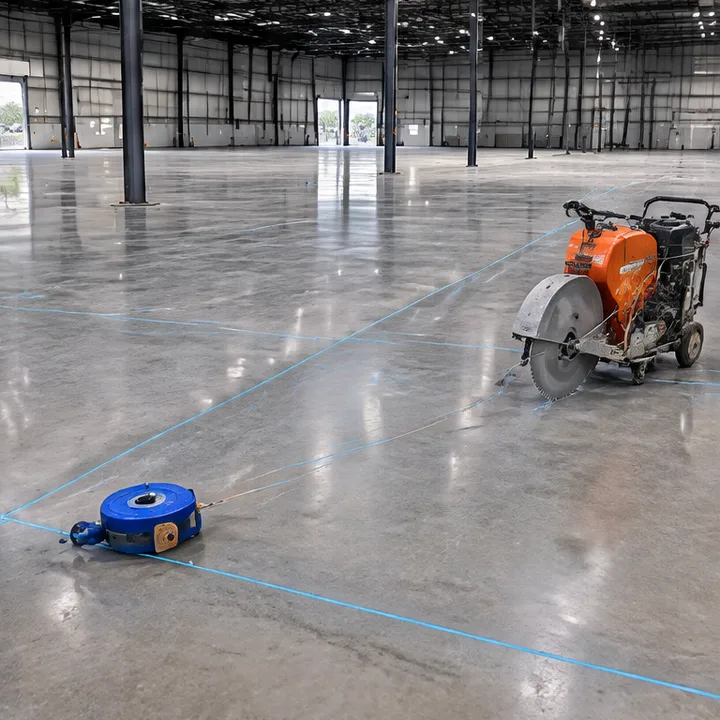
A stiff mix with low water, a compacted even base, joints sawn in the first hours and good curing prevent most unplanned cracks. Those are inexpensive steps, and they are the ones that get skipped when schedules slip.
Use the Slab Joint Planner
Services that go with this
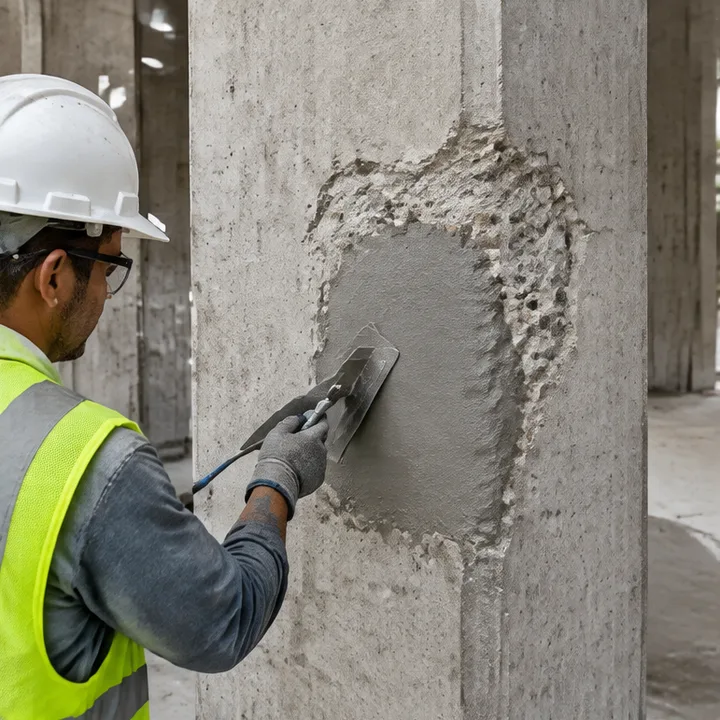 Repair, Coatings and RestorationConcrete RepairBad concrete cut out and rebuilt so it lasts
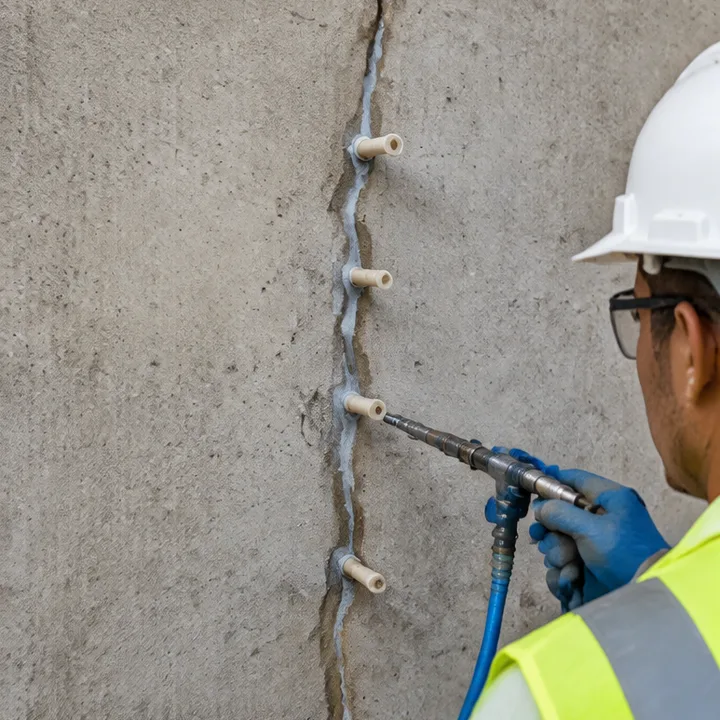 Repair, Coatings and RestorationCrack Repair and InjectionCracks sealed or bonded back together
 Repair, Coatings and RestorationSlab Lifting and LevelingSunken slabs raised back to level in hours
No service matches that search. Try a shorter word.
Questions about your project?
Tell us about the project: the city, the kind of concrete work and when you need it. You get a plain written bid, and a person answers the phone at (800) 290-5816.